Water Safe Crystals: The Complete UK Guide
If you are searching for water safe crystals, you are usually trying to avoid one common mistake: rinsing a stone that water can damage. Some crystals handle a quick rinse well. Others can dissolve, crack, rust, become dull, lose their polish, or in a few cases release substances you should not get on your skin or in your drink.
This guide explains exactly which crystals can usually go in water for brief contact, which should stay dry, which are unsafe to put in water at all, and the simple reason behind each rule. It answers the most common questions, including can rose quartz go in water, is amethyst water safe, can citrine go in water, can selenite go in water and which crystals are toxic in water.
As a rule of thumb, harder stones (Mohs 7 and above) from the quartz family are usually fine for a brief rinse: clear quartz, amethyst, rose quartz, citrine, smoky quartz, agate, jasper and carnelian. Softer or soluble stones (Mohs below 5) should be kept dry: selenite, halite, calcite, malachite, fluorite, azurite, lepidolite and angelite. A few stones are toxic if put in water you touch or drink, including malachite, pyrite, cinnabar and galena. If in doubt, keep the stone dry and wipe it with a soft cloth.

Quick picks for UK shoppers
Shop crystal bracelets
Download the crystal care checklist printable
Download the Water Safe Crystals Quick Chart PDF
Quick Rule Before You Rinse Anything
- If you are not 100 percent sure a crystal is water safe, do not rinse it. Use a dry method instead.
- Avoid soaking. Even stones treated as water safe can be affected by long exposure, especially if they have fractures, inclusions, glue or delicate polish.
- Never use hot water, saltwater, bleach or household cleaners. These can damage stones, finishes, elastic, plating and metal parts.
- Be extra careful with jewellery. The stone may tolerate water, but the cord, glue, coating, plating or clasp may not.
Why Water Damages Some Crystals (the simple science)
Whether a stone can go in water comes down to a few physical properties, not to the type of stone alone. Understanding these four factors lets you judge almost any crystal yourself.
- Hardness (the Mohs scale): Hardness is measured from 1 (very soft) to 10 (diamond). Softer stones are more easily marked, scratched and worn by water and handling. Quartz-family stones sit at Mohs 7 and cope well with a brief rinse. Stones below about 5, such as fluorite (4), calcite (3) and selenite (2), are far more vulnerable.
- Solubility: A few minerals actually dissolve in water. Halite (rock salt) and selenite (a form of gypsum) will slowly break down, pit or cloud with repeated water contact.
- Porosity and treatments: Porous, dyed, coated or stabilised stones absorb water and can lose colour or finish. Turquoise, many dyed agates and reconstituted stones fall here, even if the base mineral seems hard.
- Metal content and oxidation: Iron and copper minerals can rust or corrode when wet. Pyrite (iron sulfide) and hematite can oxidise, and copper stones such as malachite and azurite can be both damaged and unsafe in water.
The chart below groups common stones by how well they cope with water.
Water care at a glance
Mohs hardness in brackets. Softer stones are more easily marked by water and handling.
Clear quartz (7), Amethyst (7), Rose quartz (7), Citrine (7), Smoky quartz (7), Agate (7), Jasper (7), Carnelian (7), Aventurine (7), Black tourmaline (7 to 7.5)
Rinse in cool water, then dry at once.
Black onyx (7), Opalite (man-made glass) (5.5 to 6.5), Tiger eye (7), Obsidian (5 to 5.5)
Keep contact short and dry straight away.
Moonstone (6), Labradorite (6 to 6.5), Sodalite (5.5 to 6), Amazonite (6 to 6.5)
Wipe with a soft cloth; a brief rinse at most.
Turquoise (5 to 6), Howlite (3.5), Opal (5.5 to 6.5), Selenite (2), Halite (rock salt) (2 to 2.5), Malachite (3.5 to 4), Pyrite (6 to 6.5), Lapis lazuli (5 to 6), Calcite (3), Fluorite (4), Lepidolite (2.5 to 3), Angelite (3 to 3.5)
Soft, porous or soluble. Dry cloth only.
Rule of thumb: many stones ending in "-ite" are soft and water-sensitive. Never soak, and never use salt or hot water. If unsure, keep it dry.
The 30-Second "Is It Water Safe?" Test
If you do not know a stone's hardness, run through these quick checks. If it fails any one of them, keep it dry.
- Does the name end in "-ite"? Many softer, water-sensitive stones do (selenite, malachite, fluorite, lepidolite, calcite, halite, angelite). This is only a rough hint, but it flags caution.
- Is it metallic, brassy or rusty looking? Pyrite, hematite and similar stones can oxidise. Keep dry.
- Is it dyed, coated, very bright or unusually uniform in colour? Treated stones can lose colour in water. Keep dry.
- Can you see cracks, layers or glued parts? Water can seep in and weaken these. Keep dry.
- Is it a clear quartz-type stone with no treatments? If yes, a brief rinse and immediate drying is usually fine.
Water Safe Crystals Chart: Safe vs Keep Dry
The chart below is a practical guide for brief contact with cool, clean water. "Water safe" does not mean soaking, saltwater, hot water or repeated washing. It means a quick rinse followed by immediate drying with a soft cloth.
Usually fine: brief rinse10 stones
| Crystal | Mohs | Care |
|---|---|---|
| Clear quartz | 7 | Dry immediately with a soft cloth. |
| Amethyst | 7 | Avoid soaking and prolonged strong sunlight. |
| Rose quartz | 7 | Pat dry and avoid harsh cleaners. |
| Citrine | 7 | Avoid soaking and strong chemicals. |
| Smoky quartz | 7 | Dry quickly and store separately. |
| Agate | 7 | Avoid if dyed, coated or cracked. |
| Jasper | 7 | Dry immediately and avoid soaking. |
| Carnelian | 7 | Use cool water only, then dry. |
| Aventurine | 7 | Avoid long exposure and dry well. |
| Black tourmaline | 7 to 7.5 | Polished pieces only; raw pieces have fractures, keep dry. |
Brief rinse only4 stones
| Crystal | Mohs | Care |
|---|---|---|
| Black onyx | 7 | Usually dyed for even colour; keep contact short. |
| Opalite (man-made glass) | 5.5 to 6.5 | Glass, not a mineral; dry at once, handle gently. |
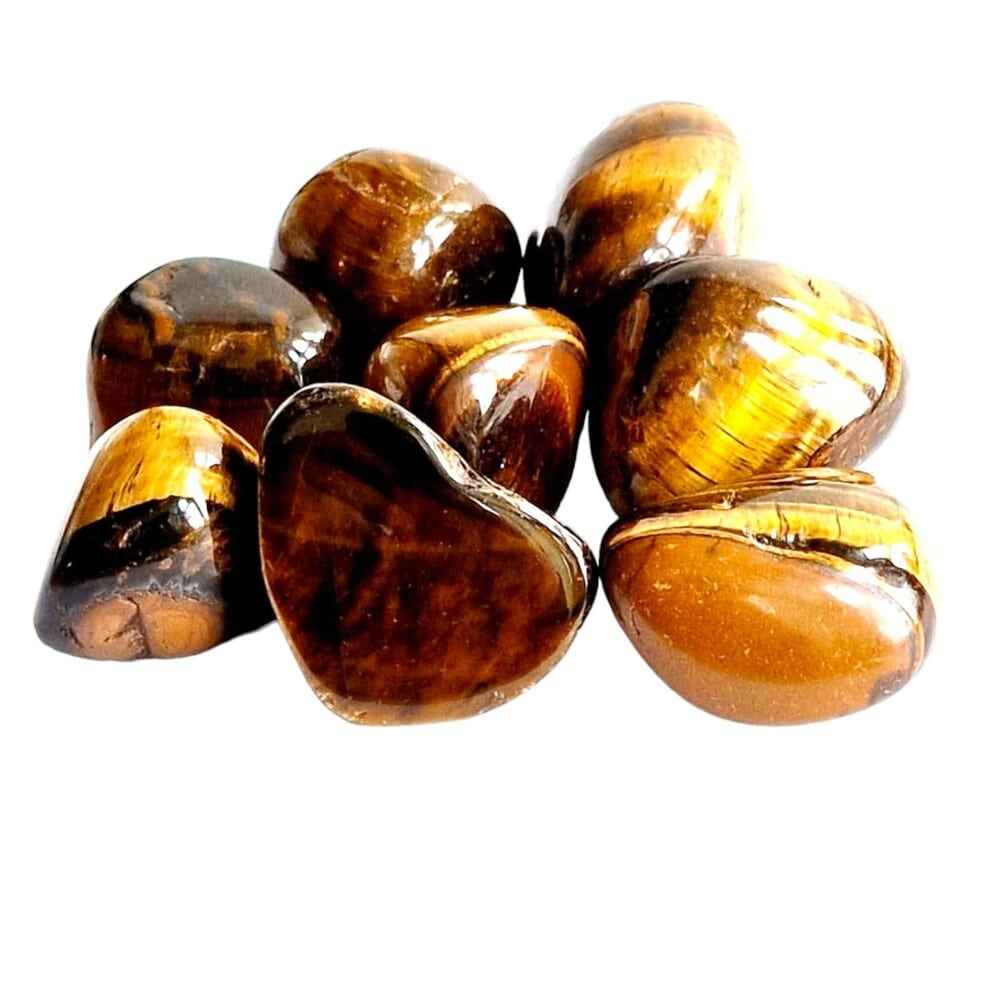
| Tiger eye | 7 | Avoid soaking and repeated washing. |
| Obsidian | 5 to 5.5 | Dry at once; can chip, handle gently. |
Caution: dry care is better4 stones
| Crystal | Mohs | Care |
|---|---|---|
| Moonstone | 6 | Wipe with a soft cloth; avoid soaking. |
| Labradorite | 6 to 6.5 | Feldspar with internal layers; brief rinse at most. |
| Sodalite | 5.5 to 6 | Slightly porous; wipe with a soft cloth instead. |
| Amazonite | 6 to 6.5 | Feldspar; brief rinse at most, then dry fully. |
Keep dry12 stones
| Crystal | Mohs | Care |
|---|---|---|
| Turquoise | 5 to 6 | Porous; water and oils stain it. |
| Howlite | 3.5 | Soft and porous; dyed pieces can bleed colour. |
| Opal | 5.5 to 6.5 | Contains water; soaking can craze it. |
| Selenite | 2 | Dissolves; use a dry cloth only. |
| Halite (rock salt) | 2 to 2.5 | Dissolves quickly in water. |
| Malachite | 3.5 to 4 | Toxic in water Copper stone; avoid water and dust. |
| Pyrite | 6 to 6.5 | Toxic in water Moisture causes rust and oxidation. |
| Lapis lazuli | 5 to 6 | Contains pyrite and calcite; dry care. |
| Calcite | 3 | Soft; water dulls and etches it. |
| Fluorite | 4 | Soft, can chip and lose polish. |
| Lepidolite | 2.5 to 3 | Flaky and fragile; dry care only. |
| Angelite | 3 to 3.5 | Water can turn it back toward gypsum. |
Important: Water safe here means short contact. If a stone is cracked, dyed, treated, coated, glued or very porous, keep it dry even if the mineral is normally considered safe.
If you want a fast one-page reference, download the Water Safe Crystals Quick Chart Printable PDF.
Crystals That Should Not Go in Water
Many people ask what crystals can go in water, but the safer question is which crystals should stay dry. Avoid rinsing these unless you have expert mineral care advice for your exact piece.

- Selenite and halite can dissolve, pit or weaken.
- Calcite is soft and can dull or etch.
- Fluorite is soft, can chip and may lose polish.
- Lepidolite and mica-rich stones can be fragile and flaky.
- Angelite can revert toward soft gypsum with moisture.
- Turquoise and opal are porous and can stain, crack or craze.
- Howlite is soft and porous, and dyed pieces can bleed colour.
- Lapis lazuli contains softer minerals and can be affected by water.
- Hematite can develop surface rust over time.
Toxic Crystals: Never Put These in Water You Touch or Drink
This is the most important safety point and the one most guides skip. A small number of popular stones contain metals or elements that you should not transfer into bathwater, a face mist, or any water you might drink. Keep these stones dry, wash your hands after handling rough pieces, and never make "crystal water" with them.
- Malachite, azurite, chrysocolla: copper minerals. Can be harmful in water and damaged by it.
- Pyrite and chalcopyrite: iron and copper sulfides. Can release iron and sulfur compounds in water.
- Cinnabar: a mercury mineral. Toxic. Handle as little as possible and keep dry.
- Galena: a lead mineral. Toxic. Wash hands after handling and never put in water.
- Stibnite (antimony), realgar and orpiment (arsenic): collector minerals that are toxic. Display only, keep dry.
- Lepidolite: contains lithium and is also fragile. Keep it dry.
If a stone is unfamiliar, treat it as keep-dry and display-only until you have confirmed what it is.
Crystal Water and Gem Bottles: A Safety Note
"Crystal water" or "gem water" usually means water that has been in contact with a stone. We do not make any health claims about it. What matters here is safety: if you ever put a stone in water you intend to touch or drink, two rules apply.
- Only use a known, named, non-toxic, hard stone such as clear quartz, amethyst or rose quartz. Never use the toxic or soluble stones listed above.
- Prefer an indirect design. Many gem water bottles keep the stone in a sealed chamber so it never touches the water. This avoids both contamination and damage to the stone. If you are unsure what a stone is or how it was treated, do not put it in drinking water.
Can Selenite Go in Water?
No. If you are wondering can selenite go in water or can selenite get wet, the safest answer is to keep it dry. Selenite is a soft form of gypsum (Mohs 2) and water can mark, pit, cloud or slowly dissolve it. If selenite does get wet by accident, pat it dry immediately with a soft cloth and let it air-dry away from heat; a brief splash rarely causes visible damage, but repeated contact will. Clean selenite with a dry cloth and keep it away from humidity where possible. The same applies to can selenite go in salt water: keep it dry. For more, see our selenite care guide.
How to Clean Crystals Without Water
If you are unsure whether a stone is water safe, the simplest and lowest-risk method is dry cleaning:
- Dry cloth wipe: Remove dust and fingerprints with a soft microfibre cloth. Safe for every stone, including soft and water-sensitive pieces.
- Soft brush: For carved or textured pieces, a clean, dry, soft brush lifts dust out of crevices without water.
- Careful storage: Keep soft stones separate from harder ones so they do not scratch, and keep colour-sensitive stones out of strong sunlight.
For a full step-by-step routine, read: How to Clean Crystals 2026 Guide.
Water and Crystal Jewellery: Be Extra Careful
Even if a stone is considered water safe, jewellery often is not. Water can affect plating, elastic cords, glue settings, coatings and metal parts. If you wear crystal bracelets or necklaces daily, dry cleaning methods are usually the safest choice.
Buyer picks
Crystal bracelets collection
Black tourmaline bracelet
Amethyst bracelet
Clear quartz necklace
Can You Wear Crystals in the Shower, Bath or Sea?
As a general rule, remove crystal jewellery before showering, bathing, swimming or going in the sea. Even with a water-safe stone, the bigger risk is to the setting: shampoo, soap, oils, chlorine and salt water can damage elastic cords, glue, plating and clasps, and salt water is especially harsh. For everyday durable pieces in quartz-family stones it is not a disaster if they get splashed, but they will last far longer if you take them off and keep them dry.
Printable Help: A Simple Routine You Can Repeat
If you want a quick one-page chart you can keep, download: Water Safe Crystals Quick Chart Printable PDF.
If you want a step-by-step checklist, download: Crystal Care Checklist Printable PDF.
Rinse-friendly stones, in stock now
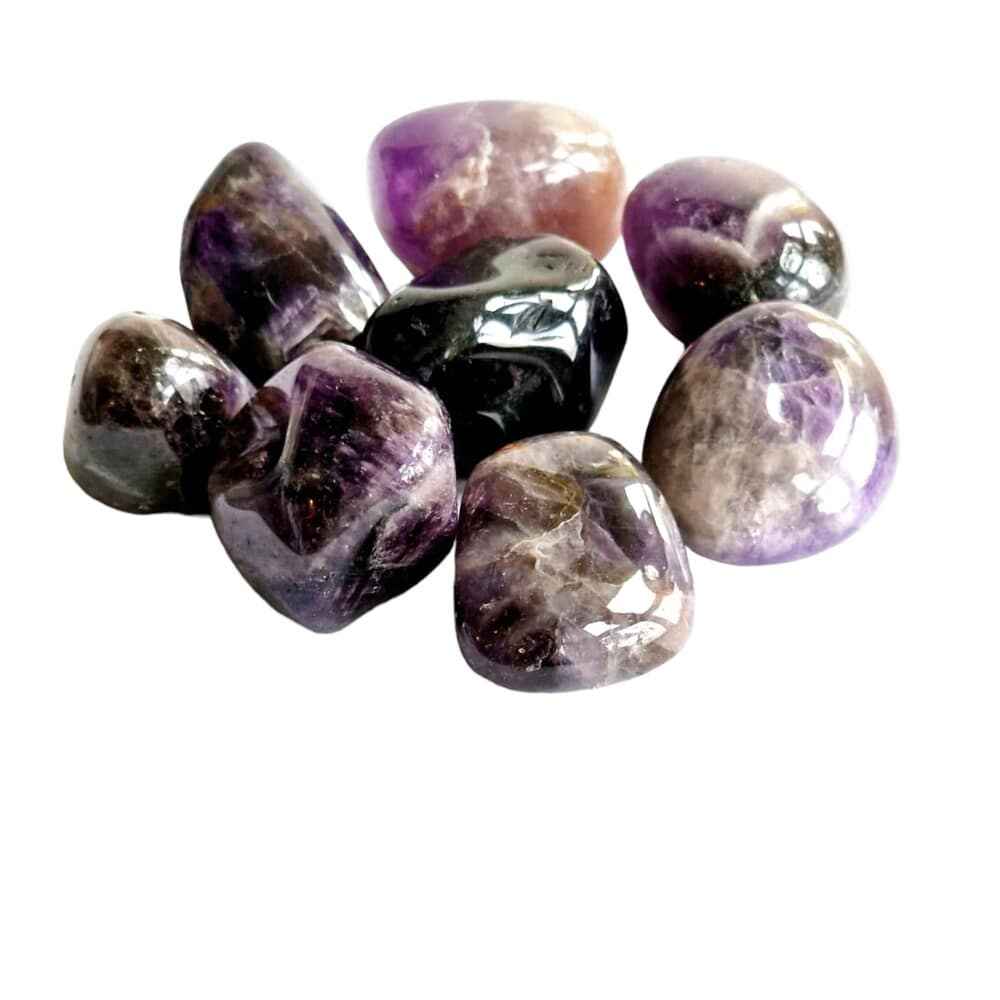
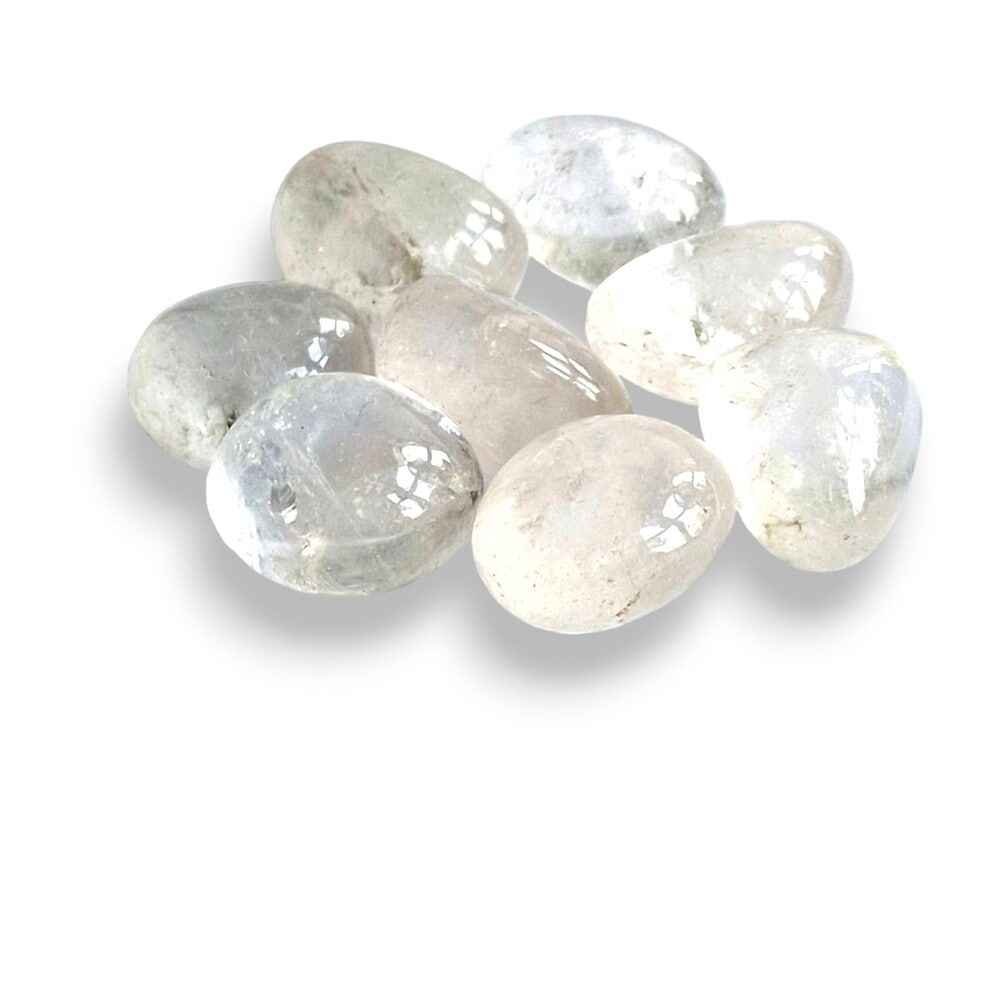
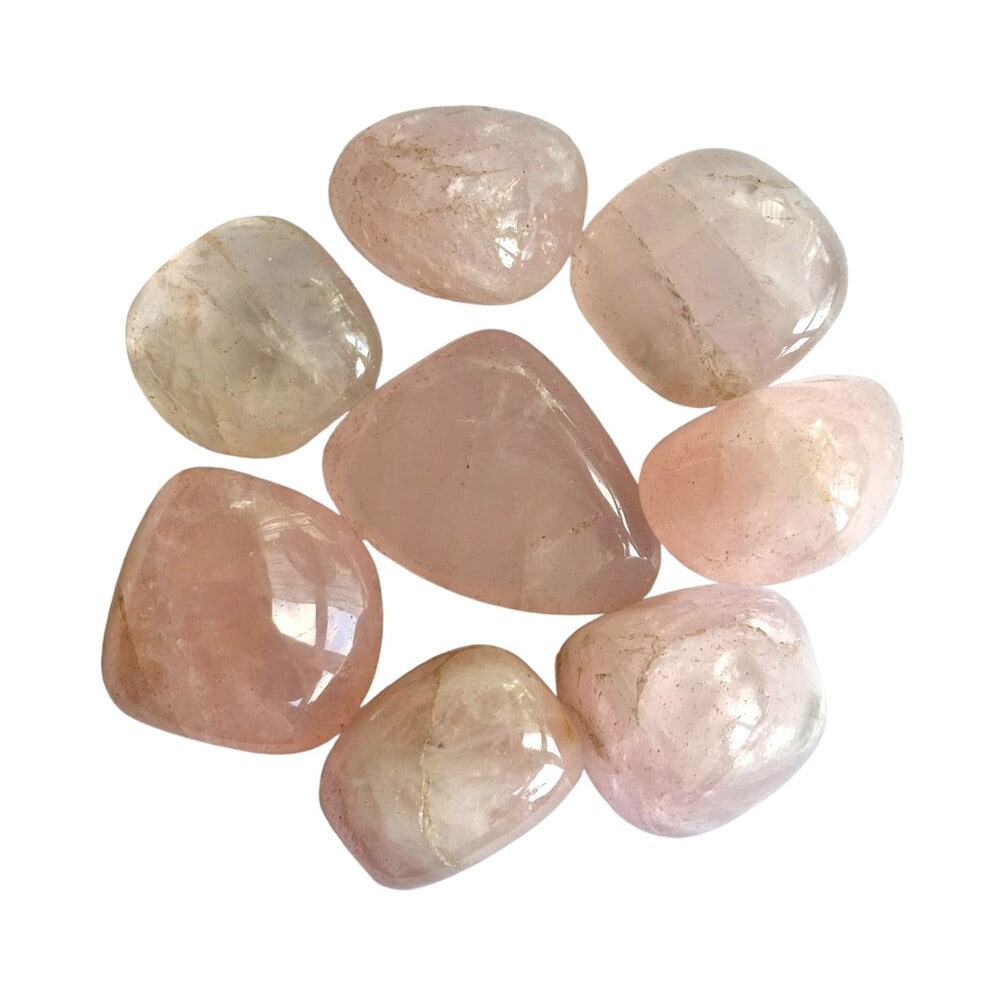
Polished tumblestones from the brief-rinse list above, all Mohs 7 and all genuine natural stone. Hand-selected and packaged in the UK.


Frequently Asked Questions About Water Safe Crystals
What crystals can go in water?
Many quartz and chalcedony family stones are usually fine for a quick rinse, such as clear quartz, amethyst, rose quartz, citrine, smoky quartz, agate, jasper and carnelian. When in doubt, avoid water and use a soft dry cloth instead.

Is amethyst water safe?
Amethyst is usually safe for a brief rinse in cool, clean water, then drying immediately. Avoid soaking, saltwater and prolonged strong sunlight afterwards if colour fading is a concern.
Can rose quartz go in water?
Rose quartz is usually treated as water safe for a brief rinse, but avoid soaking and harsh cleaners. If the piece is cracked, dyed, coated or set in jewellery, keep it dry and use a soft cloth instead.
Can citrine go in water?
Citrine is usually fine for brief contact with clean water, but it should not be soaked. Dry it straight away and avoid saltwater, hot water and household cleaners.
Can clear quartz go in water?
Clear quartz is one of the safer crystals for a quick rinse. Still, avoid soaking and dry it immediately, especially if it has cracks, inclusions or metal settings.
Can smoky quartz go in water?
Smoky quartz is a quartz at Mohs 7, so a brief rinse in cool water is usually fine. Dry it straight away, avoid soaking, and keep irradiated or treated pieces out of water to protect the colour.
Can carnelian go in water?
Carnelian is commonly safe for a brief rinse, but avoid soaking, saltwater and repeated washing. Dry it fully before storing.
Can agate go in water?
Natural agate is a hard chalcedony (Mohs 7) and handles a brief rinse well. The exception is dyed agate, which is very common in bright colours: dye can fade or bleed in water, so keep dyed or coated pieces dry.
Can aventurine go in water?
Green aventurine is a quartz at Mohs 7 and is usually fine for a quick rinse in cool water. Avoid soaking, dry it immediately, and keep it away from salt water and hot water like all quartz stones.
Can black tourmaline go in water?
Polished black tourmaline is hard (Mohs 7 to 7.5) and a brief rinse is usually fine, dried immediately. Raw black tourmaline is different: it is full of natural fractures and can split or flake with water, so keep rough pieces dry.
Can obsidian go in water?
Obsidian is natural volcanic glass, so water does not dissolve it, but rapid temperature changes can crack it and edges can chip. A brief rinse in room-temperature water is fine; dry at once and never use hot or icy water.
Is moonstone water safe?
Moonstone is a feldspar at Mohs 6 with internal layers, so dry care is the better choice. It will survive a brief splash, but avoid soaking, dry it immediately, and never expose it to hot water or sudden temperature changes.
Can sodalite go in water?
Sodalite is best kept dry. At Mohs 5.5 to 6 it is slightly porous, and repeated water contact can dull the polish over time. Wipe it with a soft dry cloth instead, and keep any splashes brief and dried at once.
Is labradorite water safe?
Labradorite is a feldspar with internal layers that create its colour flash, and those same layers make it vulnerable to water working its way in. A brief rinse is usually survivable, but dry care is safer, especially for polished display pieces.
Is onyx water safe?
Black onyx is a hard chalcedony (Mohs 7), but most onyx on the market is dyed to achieve its even black colour. Keep water contact brief and dry it immediately, and prefer a soft dry cloth for regular cleaning.
Is opalite water safe?
Opalite is man-made glass, not a natural mineral, so water does not damage the material itself. A brief rinse is fine; dry it at once, handle it gently because glass can chip, and avoid hot water and sudden temperature changes.
Can fluorite go in water?
No, keep fluorite dry. At Mohs 4 it is soft, chips easily and can lose its polish with water contact. Clean it with a soft dry cloth and store it away from harder stones.
Is howlite water safe?
No, keep howlite dry. It is soft (Mohs 3.5) and porous, and dyed howlite, which is very common, can bleed colour in water. Wipe it with a soft dry cloth instead.
Can lapis lazuli go in water?
Lapis lazuli is best kept dry. It contains softer minerals such as calcite and pyrite and can be affected by water, so a soft dry cloth is the safer option.
Can hematite go in water?
Keep hematite dry. It is an iron mineral and can develop surface rust with repeated water contact, which dulls its mirror-like shine. Wipe with a dry cloth.
Can turquoise go in water?
No. Turquoise is porous and absorbs water, oils and soap, which can stain it and weaken the stone. Keep it dry and wipe gently with a soft cloth.
What happens if selenite gets wet?
A brief accidental splash rarely leaves visible damage if you pat it dry immediately. Repeated or prolonged contact is different: the surface can turn cloudy, feel chalky, develop pits and slowly dissolve, because selenite is soft gypsum. Dry it at once and keep it away from humidity.
Can selenite go in the sun?
Short periods are fine, but avoid leaving selenite in strong direct sunlight or near heat for long stretches, as it can become brittle over time. See our selenite care guide and our guide to crystals that fade in sunlight.
Which crystals are toxic in water?
Avoid putting malachite, azurite, chrysocolla, pyrite, cinnabar, galena, stibnite, realgar and orpiment in any water you will touch or drink. These contain copper, iron, sulfur, mercury, lead or arsenic. Keep them dry and display only.
How long can I leave crystals in water?
Avoid soaking. If you rinse a water safe stone, keep it brief and dry it immediately. Longer exposure increases the risk of damage, especially for porous, treated or cracked stones.
Is saltwater safe for cleaning crystals?
No, as a general rule. Salt can scratch polished surfaces, and saltwater can damage many stones and jewellery components. Keep crystals away from salt and salt water.
Is tap water or distilled water better?
For a brief rinse, cool clean tap water is fine for water-safe stones. Distilled water is gentler because it has no minerals or chlorine, but the key rules are the same: keep it brief and dry the stone immediately.
Are crystal water bottles safe?
Only if they use a known, non-toxic, hard stone, and ideally an indirect design where the stone sits in a sealed chamber and never touches the water. Never use a soluble or toxic stone. We make no health claims about gem water.
Can I wash crystal jewellery in water?
Prefer a soft dry cloth. If you must use water, keep it brief, avoid soaps, dry immediately and avoid prolonged moisture. Be careful with elastic, glue, plating and metal parts.
What is the safest option if I am unsure?
Choose a dry method and focus on storage and care. If the mineral, finish or treatments are not stated, keep the piece dry.
Shop natural crystals at Crystals Healing UK
Browse genuine natural stones, honestly described. Free UK delivery over £30.
Related Reading
- How to Clean Crystals 2026 Guide
- Selenite Care: What to Avoid
- Sunlight vs Moonlight: Crystals That Fade in Sunlight
- Crystals for Beginners: How to Choose, Use and Care
Our crystals are sold as decorative natural stones, jewellery and gifts. We make no medical, therapeutic, spiritual or supernatural claims about them. If you have a health concern, please consult a qualified medical professional.