Selenite is a soft, water-sensitive form of gypsum (Mohs hardness 2) and should never go in water. Clean it only with a soft dry cloth. Store it away from humidity, keep it off salt and abrasive surfaces, and protect it from hard knocks and prolonged sun. Done right, selenite is one of the easiest crystals to care for.
Selenite Care: What to Avoid (Water, Sunlight, Salt)
Selenite care is simple once you remember one rule: selenite is a soft, water-sensitive stone. Treat it gently, keep it dry, and avoid anything abrasive. Proper care will keep your selenite looking clear and pristine for much longer. This guide answers the questions we hear most, including can selenite get wet, can selenite be in the sun, how to clean selenite and does selenite dissolve in water.
If you are looking for practical crystal care tips and beginner-friendly picks, browse our Natural Crystals collection.
What is selenite?

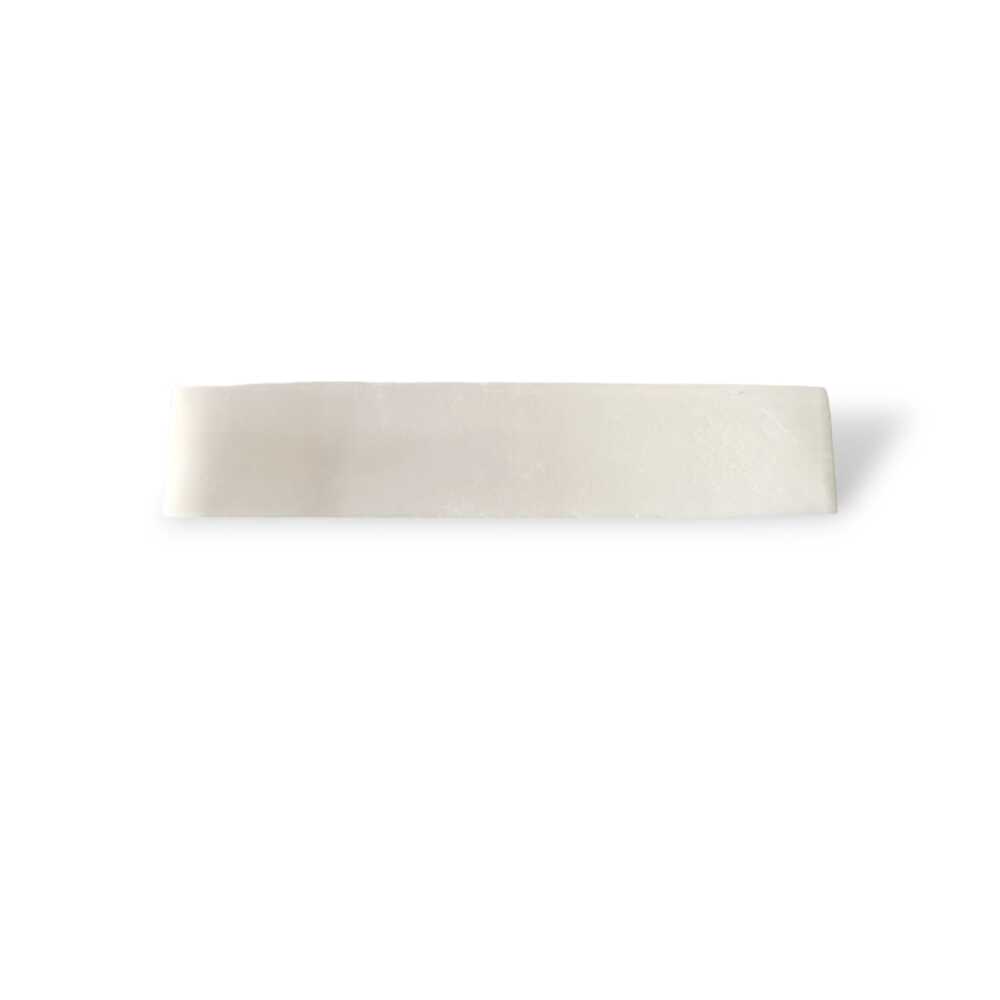
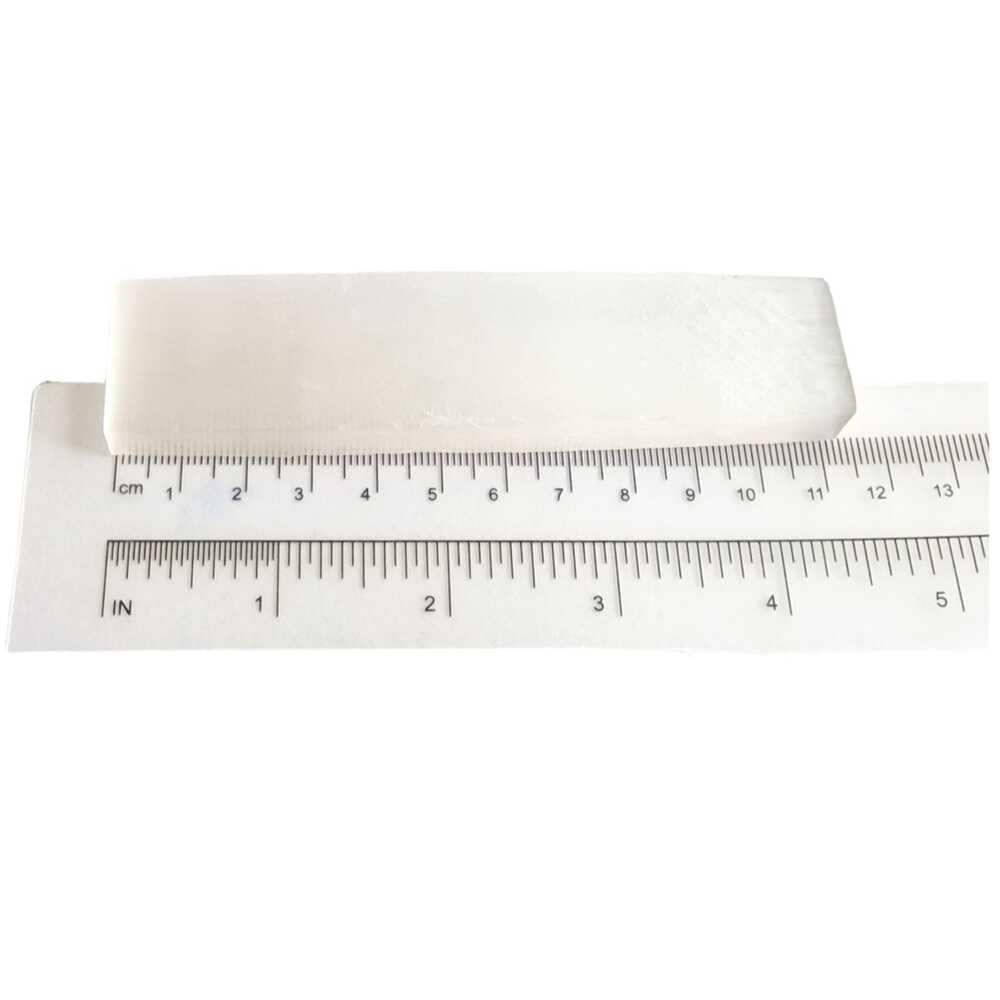
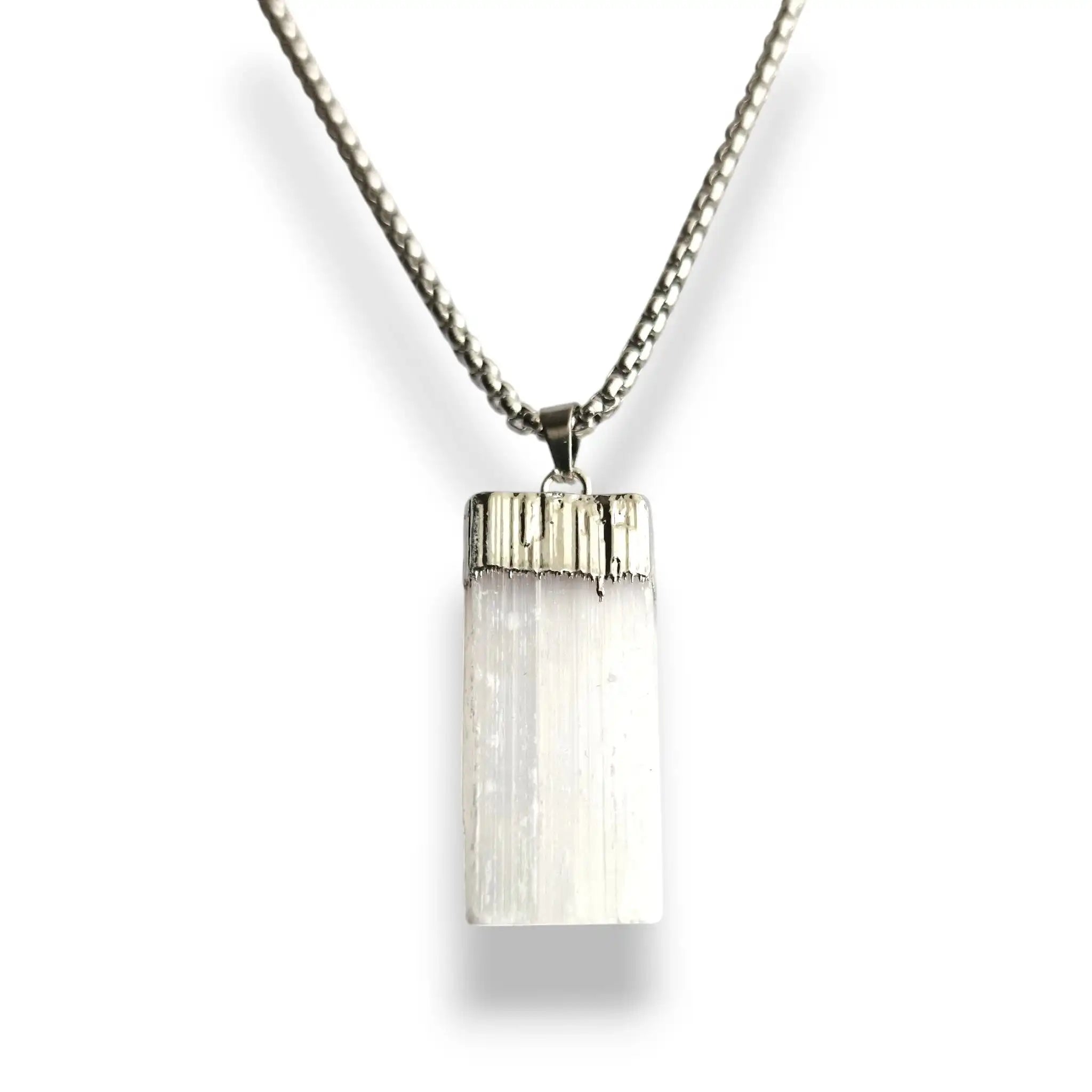
Selenite is a crystalline form of gypsum, a calcium sulfate mineral (chemical formula CaSO4 and two water molecules). Most of the selenite sold as wands, towers and slabs is the fibrous, silky-white variety known as satin spar, which has the soft glow selenite is known for. It has a Mohs hardness of only 2, which makes it one of the softest stones in common use. You can scratch it with a fingernail, which is exactly why it needs gentle handling. You can see the selenite we stock in our selenite collection.
The name comes from the Greek word for the moon, Selene, a reference to its soft white sheen. Much of the selenite on the market is mined in Morocco. As a cultural and historical note, its moon association is part of why it became popular, but that is a tradition attached to the stone, not a property of it. What matters for care is simple physics: it is soft and it does not like water.
Selenite care basics: keep it dry and simple
Selenite care is easy once you remember one rule: selenite is a soft, water-sensitive stone. Treat it gently, keep it dry, and avoid anything abrasive.
Selenite care at a glance (Mohs 2, soft and water-sensitive)
Do
- Keep it completely dry
- Wipe gently with a soft dry cloth
- Store in a pouch, away from rough stones
- Keep it in a stable, low-humidity spot
- Handle edges carefully (it chips)
Three rules: dry, bagged, dry-wiped.
Avoid
- Water, rinsing, damp cloths, soaking
- Salt and salt water on the surface
- Prolonged sun and strong heat
- Hard knocks and abrasive cloths
- Storing near essential oils or incense
Water damage to selenite is permanent.
Can selenite go in water?
No. If you are asking can selenite go in water or can selenite get wet, the safe answer is to avoid water entirely. Selenite has a Mohs hardness of 2, making it one of the softest crystals, and gypsum is slightly soluble in water. Even a quick rinse can leave marks, pitting, a chalky look or a rougher surface, and the damage builds up with repeated contact. Yes, that means selenite is technically water soluble: it will not vanish from a splash, but it slowly dissolves and dulls with repeated exposure.
For a clear water-safety overview across all stones, see our Water-Safe Crystals guide.
Selenite and humidity: the quiet risk
Water from a tap is the obvious danger, but damp air matters too. Gypsum slowly takes up moisture from humid environments, so a selenite piece left in a steamy bathroom, on a kitchen windowsill or in a damp room can gradually lose its sheen even if it never touches liquid water. Keep selenite in a dry, stable spot, and avoid rooms that regularly get humid.
Can selenite go in the sun?
If you are wondering can selenite be in the sun: yes, briefly. Selenite is white to translucent, so it does not fade in colour the way amethyst or rose quartz can, and short periods of direct or indirect light are fine for display. The thing to avoid is prolonged direct sun and strong heat, which over time can dry the surface, make the stone more brittle and dull its sheen. A windowsill that gets full sun all day is not a good permanent home for it. For a wider list of light-sensitive stones, see our sunlight vs moonlight guide.
What to avoid with selenite
- Water and soaking: Keep selenite dry. No rinsing, no bowls of water, no damp cloth.
- Salt contact: Avoid direct salt on the surface. Scratches and dulling are common.
- Abrasive cloths: No rough fabrics, no scrubbing pads.
- Hard knocks: Selenite can chip easily, especially on edges.
- Long direct sunlight and heat: Keep it out of strong heat and prolonged sun on windowsills.
- Humidity and scented products: Avoid damp rooms and storing it next to essential oils or incense.
How to clean selenite safely
Wondering how to clean selenite? It only needs simple, physical cleaning to keep it looking its best, and never any water:
- Dry cloth wipe: Use a soft microfibre cloth to remove dust. This is the only routine most pieces ever need.
- Soft dry brush: For striated or carved pieces, a clean dry soft brush lifts dust out of the grooves.
- Handle clean: Pick it up with clean, dry hands to avoid transferring oils onto the surface.
Can you wash selenite with water? No. Even a quick wash with plain water can dull the surface, and soap makes it worse because residue soaks into the porous stone. If someone tells you to rinse selenite "quickly", skip the advice: a dry cloth does the same job with zero risk.
For a full overview of cleaning methods for all stones, read our How to Clean Crystals guide.
Genuine vs dyed or fake selenite
Most selenite on the market is genuine, but a few things are worth knowing:
- Dyed selenite: Because it is white and porous, selenite is sometimes dyed in peach, blue or pink. Dyed pieces are still real selenite, but the colour is added, so check the description if natural colour matters to you.
- Softness test: Genuine selenite is very soft (Mohs 2) and a fingernail can leave a faint mark in a hidden spot. A piece that resists a fingernail entirely is likely a harder stone or glass.
- Fibrous sheen: Satin spar selenite shows fine parallel striations and a silky, moving shine along the length of the piece. Even, glassy beads with no striations may be glass.
- Warmth: Like other stone, selenite feels cool at first and warms slowly. Plastic feels warm almost immediately.
How to store selenite so it stays pristine
- Keep it away from humidity: Avoid bathrooms or damp windowsills.
- Store separately: Soft stones should not rub against harder, rough crystals.
- Use a pouch or a soft cloth: Especially for travel or drawers. Browse our crystal pouches.
- Dust lightly: A quick wipe is better than deep cleaning.
We tested selenite in water so you do not have to
We dipped a selenite stick and a harder stone (black tourmaline) in water for 30 seconds, blotted both dry and compared them immediately and 24 hours later.
Immediate result: The selenite surface lost its glossy sheen and looked visibly softer, almost chalky. The tourmaline showed no change. Things improved after 24 hours, the selenite regained some clarity, but it was never the same. It remained perceptibly dull compared with original specimens from the same source.
Conclusion: That is Mohs hardness 2 in action. Water damage to selenite is permanent. The test shows exactly what you should expect if you ever accidentally wash your selenite piece.
Why selenite care is easier than you think
Most crystal care guides list 10 to 15 rules. Selenite needs 3:
- keep it dry
- store it in a bag
- wipe gently with a dry cloth
That is why selenite is one of the easiest crystals to care for, not one of the hardest.
How our selenite sticks are prepared
Every selenite stick we dispatch is cleaned only with a dry microfibre cloth before shipping. We never use water, salt or sprays at any stage. Selenite is packaged separately from all other crystals to prevent scratching, and stored in sealed pouches away from humidity before dispatch.
This has been our standard practice since launching our UK shop in December 2020.
What most selenite care guides miss: essential oil storage
Almost every guide mentions salt and water. One important detail is rarely mentioned: storing selenite next to active essential oils.
Selenite is soft (hardness 2) and porous, so it takes up surrounding moisture and oils. When stored near rock salt lamps, palo santo oils, tea tree diffusers or incense products for extended periods, the surface can degrade, losing its polish, darkening or becoming noticeably sticky. It will not fully recover without replacing the piece.
Store selenite separately from all scented products, essential oils, air fresheners and incense.
This is a detail we identified ourselves through our own warehouse storage environment, not by re-reading supplier webpages.
Printable checklist
If you want a simple routine you can keep, download our Free Crystal Care Checklist (Printable PDF).
Selenite and soft pouches, in stock now
Genuine selenite, plus soft drawstring pouches for keeping pieces dry and apart. Hand-selected and packaged in the UK.


Frequently asked questions
Should I rinse selenite to clean it?
No. Use a soft dry microfibre cloth instead. Selenite should never be rinsed or soaked.
What is selenite made of?
Selenite is a crystalline form of gypsum (calcium sulfate). The silky white variety usually sold is called satin spar. It is very soft, at Mohs hardness 2.
Can selenite get wet?
Keep it dry. A brief accidental splash rarely leaves visible damage if you pat it dry immediately, but repeated or prolonged contact will cloud, pit and dull the surface permanently.
Does selenite dissolve in water?
Slowly, yes. Selenite is gypsum, which is slightly water soluble. It will not disappear from a splash, but soaking or repeated washing gradually eats away at the surface, leaving it chalky and pitted.
Is selenite salt?
No. Despite the similar look, selenite is gypsum (calcium sulfate), not rock salt (halite, sodium chloride). Rock salt tastes salty and dissolves much faster in water; selenite is a different mineral entirely.
Is selenite dangerous or toxic?
No, selenite is not toxic to handle. Despite the similar name, it contains no selenium; it is calcium sulfate, the same family as plaster. As with any mineral, avoid inhaling dust from broken pieces and wash your hands after handling rough stone.
Can selenite be in the sun?
Short periods are fine and it will not fade like coloured quartz. Avoid leaving it in strong direct sun or near heat for long stretches, which can dry the surface and make the stone more brittle over time.
How do I care for a selenite lamp?
The same rules apply: dust it with a dry cloth, keep it out of humid rooms, and never wipe it with a damp cloth. Use a low-heat bulb, as strong heat over time can stress and dry the stone.
Can I keep selenite in the bathroom or near water?
No. Keep it away from splashes and humid rooms. Selenite does best in dry, stable conditions, because even damp air can dull it over time.
How often should I clean selenite?
A light dry wipe whenever it looks dusty is enough for most people. See our clean schedule guide.
Is selenite water safe?
No, selenite is not water safe. It has a Mohs hardness of only 2 and gypsum is slightly soluble, so water damages it. Always keep selenite completely dry.
What happens if selenite gets wet?
Selenite softens, pits and clouds when exposed to water. The surface dulls and loses its glossy appearance. If it happens, pat dry immediately with a soft cloth and do not rub. Prevention is the only real solution.
Shop selenite & storage at Crystals Healing UK
Genuine selenite sticks and safe storage. Free UK delivery over £30.
Related reading
- Water-Safe Crystals: what can go in water and what to avoid
- How to Clean Crystals: simple methods 2026
- How Often Should You Clean Crystals? A simple routine
- Sunlight vs Moonlight: crystals that fade in sunlight
Shop
- Selenite Crystals, wands, towers and slabs
- Crystal Pouches, for safe storage
- Crystal Gifts
- New Arrivals
- Natural Crystals
Our crystals are sold as decorative natural stones, gifts and home decor. We make no medical, therapeutic, spiritual or supernatural claims about them. If you have a health concern, please consult a qualified medical professional.