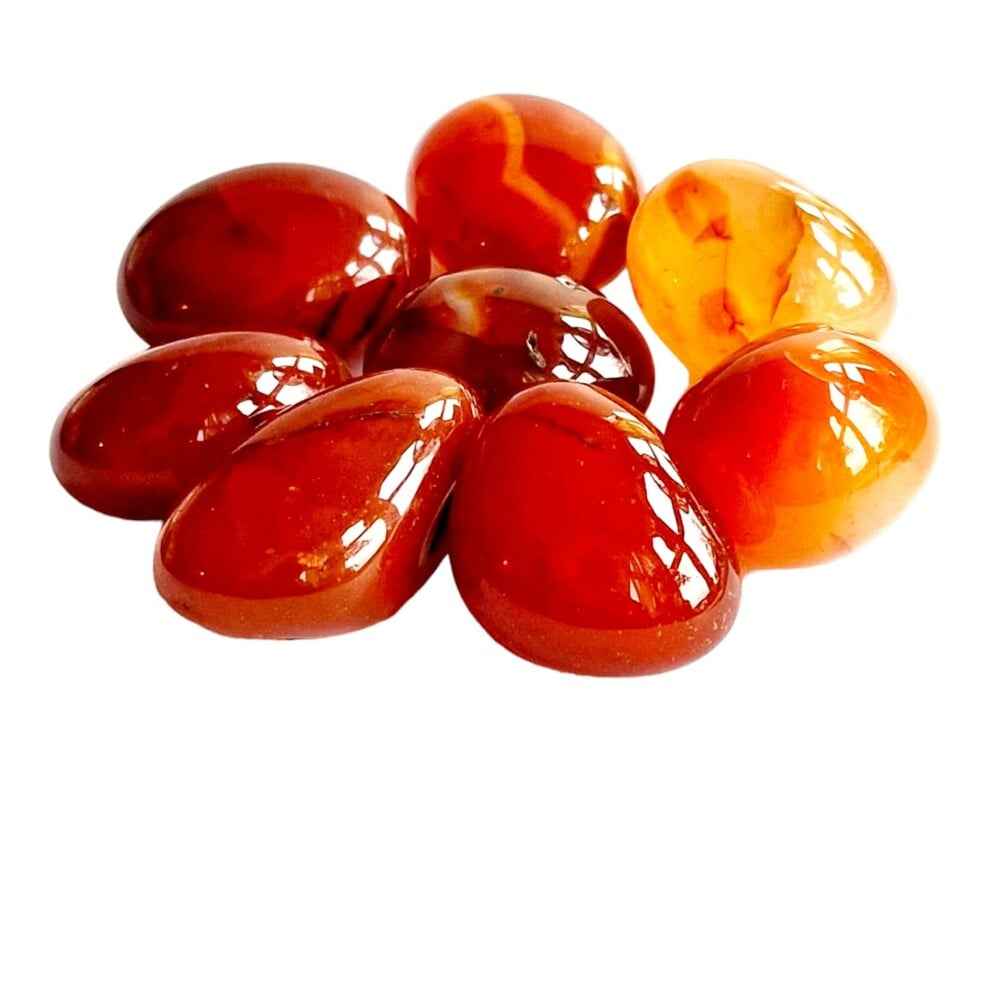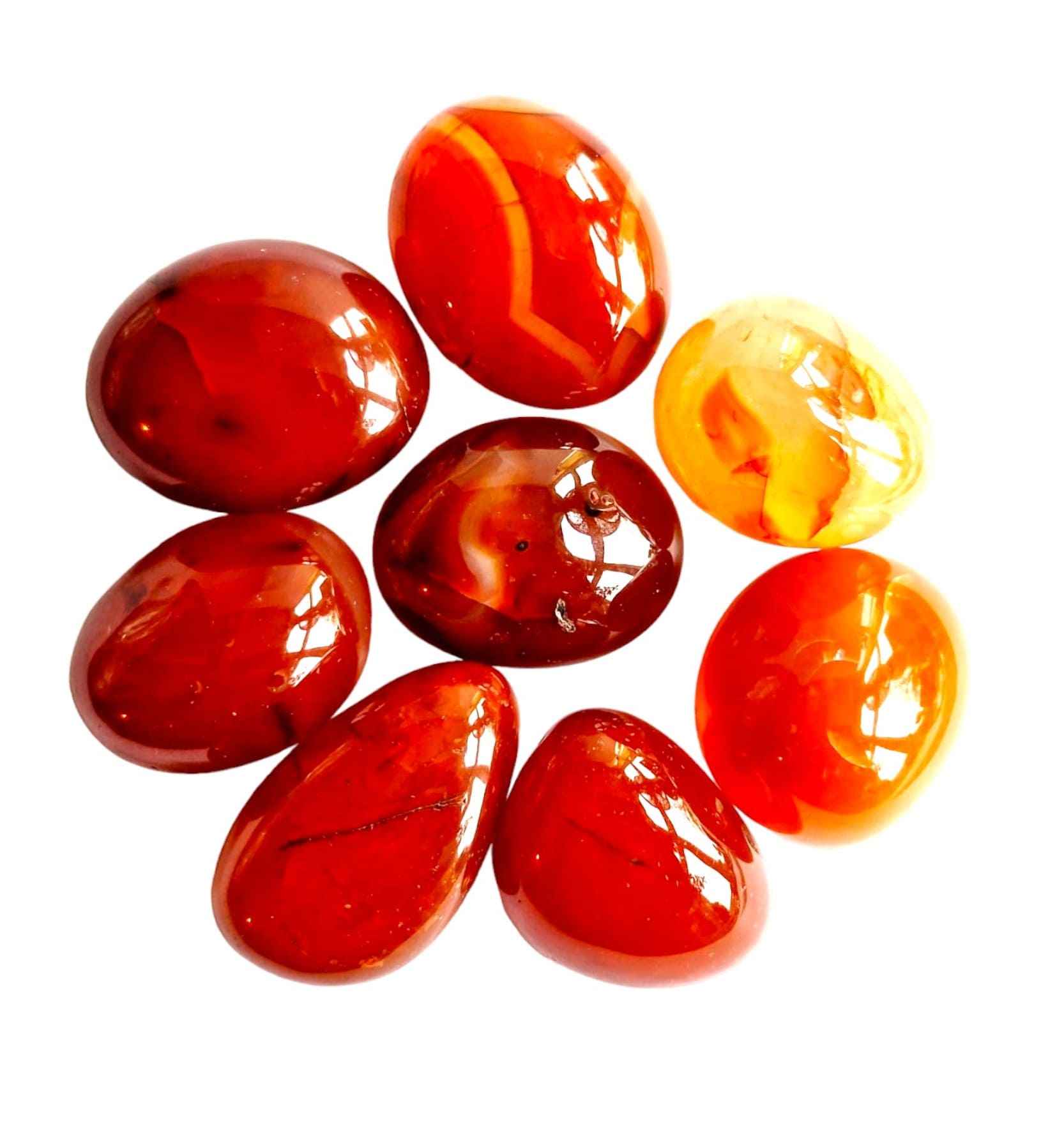
Carnelian is an orange to red-brown chalcedony (a quartz, Mohs 7), so it is durable and usually fine for a brief rinse in cool water. Most carnelian on the market is heat-treated, which is normal and still genuine quartz. The main thing to watch for is dyed agate sold as carnelian, which looks very even or sharply banded rather than softly cloudy.
Carnelian at a glance
Carnelian at a glance
- Mineral: Chalcedony (quartz, SiO2)
- Colour: Orange to red-brown
- Colour from: Iron oxide
- Hardness: Mohs 7, fine for daily wear
- Note: Often heat-treated
Carnelian is one of the warmest looking stones in jewellery, ranging from soft apricot orange to deep red-brown. It is hard wearing, easy to care for, and works in everything from beaded bracelets to silver-set pendants. This guide covers what it is, how to tell natural carnelian from dyed agate, and how to keep it looking good.
What is carnelian?
Carnelian is a variety of chalcedony, which is a microcrystalline form of quartz (silicon dioxide). Its warm colour comes from iron oxide within the stone. Because it is a quartz, it sits at 7 on the Mohs hardness scale, the same as amethyst and clear quartz, which makes it durable enough for everyday rings, bracelets and pendants. Carnelian shades from light orange through to a deep brownish red, and a closely related banded form is sometimes called sard. The carnelian we stock is in our carnelian collection.
Carnelian colour and heat treatment
Here is the honest part most shops skip. A large share of carnelian on the market is heat-treated. Much of it begins as paler chalcedony or agate that is gently heated to deepen the orange and red tones. This is a long established, stable process, and the result is still genuine quartz. Heating is not faking. The distinction worth knowing is between heat-treated natural stone and stone that has been artificially dyed.
Natural carnelian vs dyed agate
Some pieces sold as carnelian are actually dyed agate. They are still a real stone, but the bright colour is added rather than natural, so it is worth being able to spot the difference.
Natural carnelian vs dyed
Natural carnelian
- Cloudy, uneven colour
- Soft orange to red-brown
- Hazy patches when held to light
Dyed agate
- Very even or striped colour
- Bright, uniform orange
- Sharp banding when held to light
Both are quartz. Most carnelian is heat-treated, which is normal. We state any dye or treatment in the product description.
Quick checks: natural carnelian tends to have a soft, cloudy distribution of colour with hazy patches when you hold it up to the light. Dyed agate is often suspiciously even, or shows sharp, regular bands. If the colour looks too perfect and uniform, treat it as dyed. As always, the simplest step is to buy from a seller who states any treatment, which we do. For more on the banded parent stone, see our agate guide.
Is carnelian safe in water?
As a quartz at Mohs 7, carnelian is generally fine for a brief rinse in cool, clean water, dried straight away with a soft cloth. Avoid soaking, salt water and hot water. If a piece is dyed, cracked or set in jewellery, keep it dry and use a soft cloth instead, since water can draw out added colour over time. The full picture is in our water safe crystals guide.
Popular carnelian pieces
A small selection of customer favourites. Swipe to see more.


How to care for carnelian
Carnelian is low maintenance. Wipe it with a soft dry cloth, store it separately so harder or softer stones do not scratch, and keep it out of prolonged strong sunlight, which can slowly lighten warm tones. Put carnelian jewellery on after applying perfume or lotion, and take it off before showering, swimming or heavy exercise. Our how to clean crystals guide has the simple routine.
Carnelian in jewellery
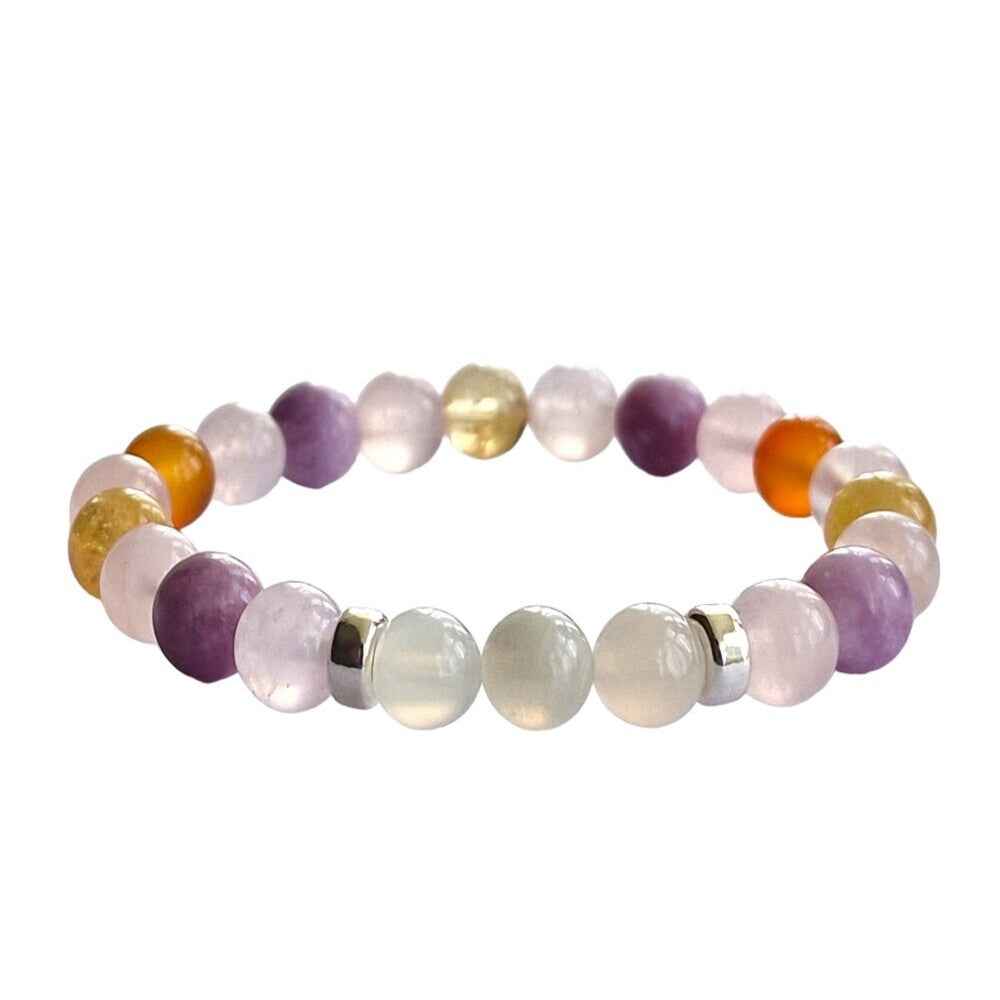
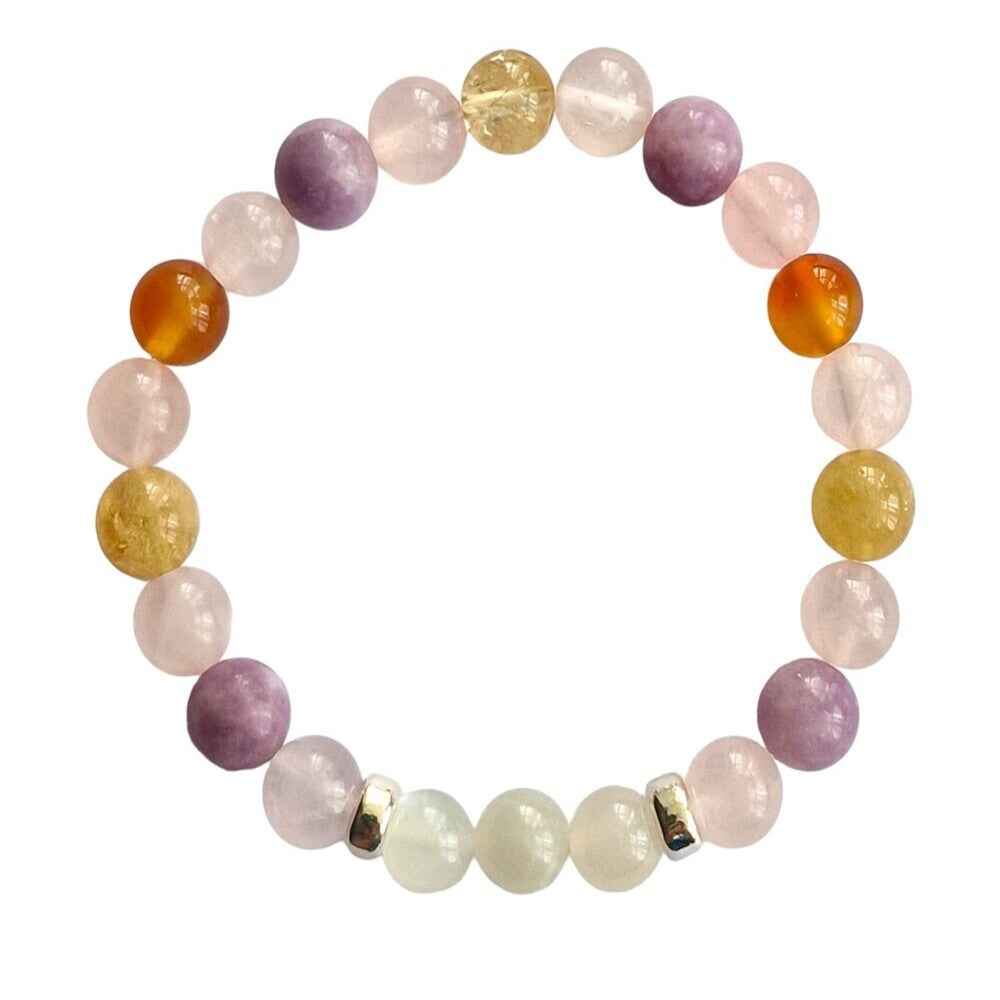
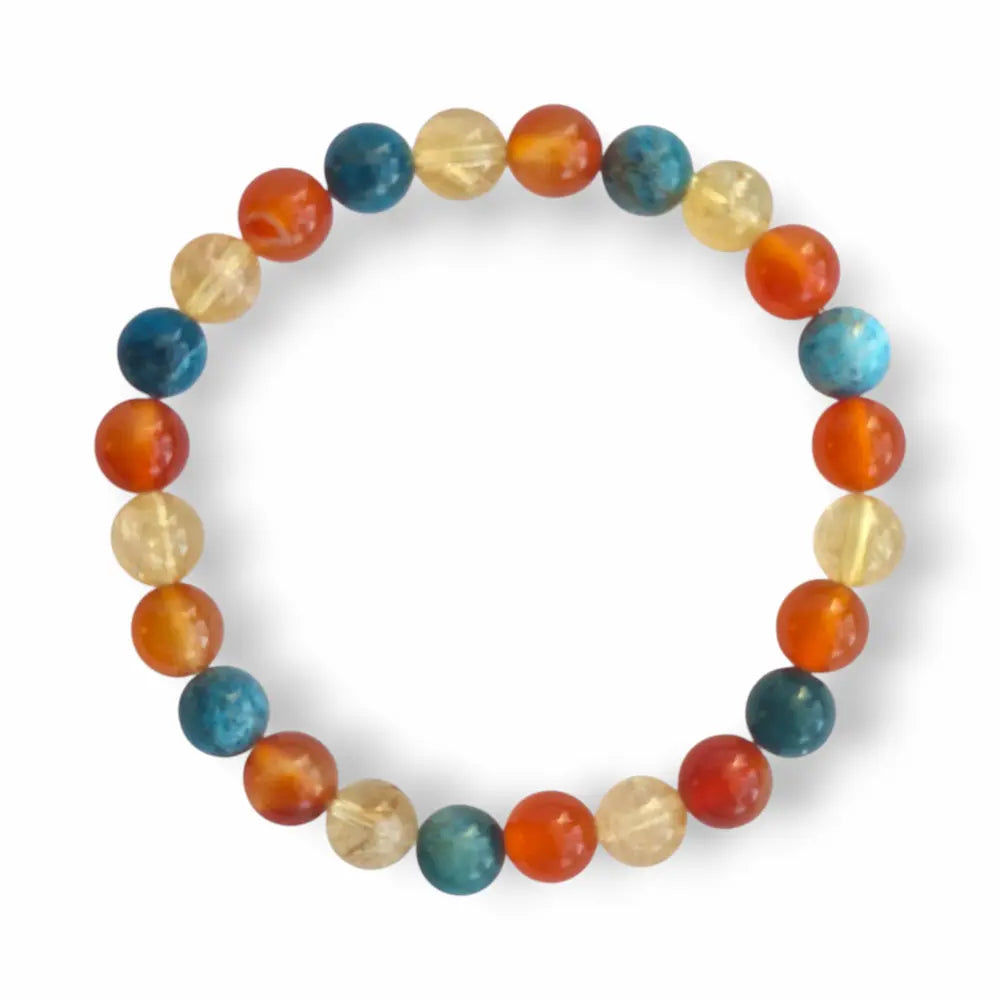
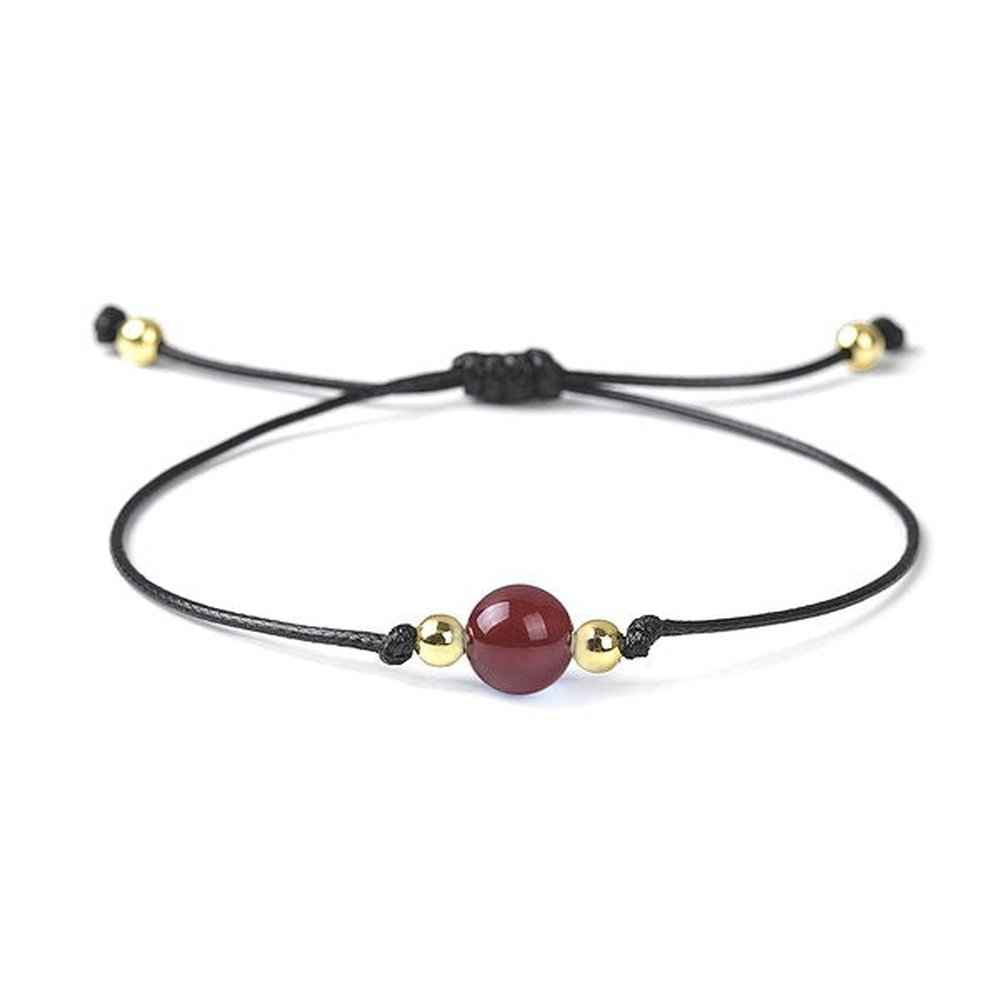
Its warm colour makes carnelian a natural fit for autumn tones and warm metals. You will see it as round beads in stretch bracelets, as tumbled stones for display, and as cabochons set in silver pendants and rings. It pairs especially well with gold tones and brown leather.
Shop carnelian at Crystals Healing UK
Bracelets, tumbled stones and silver pieces in warm orange tones. Free UK delivery over £30.
How to choose carnelian
Start with the colour you prefer, from soft apricot to deep red-brown. For everyday wear, carnelian at Mohs 7 is hard wearing and forgiving. If natural colour matters to you, look for a soft, cloudy distribution rather than a flat, uniform brightness, and check whether the listing states any dye or treatment.
Frequently asked questions
Is heat-treated carnelian real?
Yes. Most carnelian is heat-treated to deepen its colour, and it is still genuine quartz, not an imitation. Heating is a normal, stable process.
How can I tell carnelian from dyed agate?
Natural carnelian usually has a soft, cloudy colour with hazy patches in the light. Dyed agate tends to be very even or sharply banded. If it looks too perfect, treat it as dyed.
Can carnelian go in water?
A brief rinse in cool water is usually fine, then dry it at once. Avoid soaking, salt water and hot water, and keep dyed or cracked pieces dry.
Does carnelian fade in sunlight?
Prolonged strong sunlight can slowly lighten its warm tones, so store and display it out of direct sun.
How hard is carnelian?
Carnelian is 7 on the Mohs scale, the same as other quartz, which makes it suitable for everyday jewellery.
Related reading
Our crystals are sold as decorative natural stones, gifts and home decor. We make no medical, therapeutic, spiritual or supernatural claims about them. If you have a health concern, please consult a qualified medical professional.