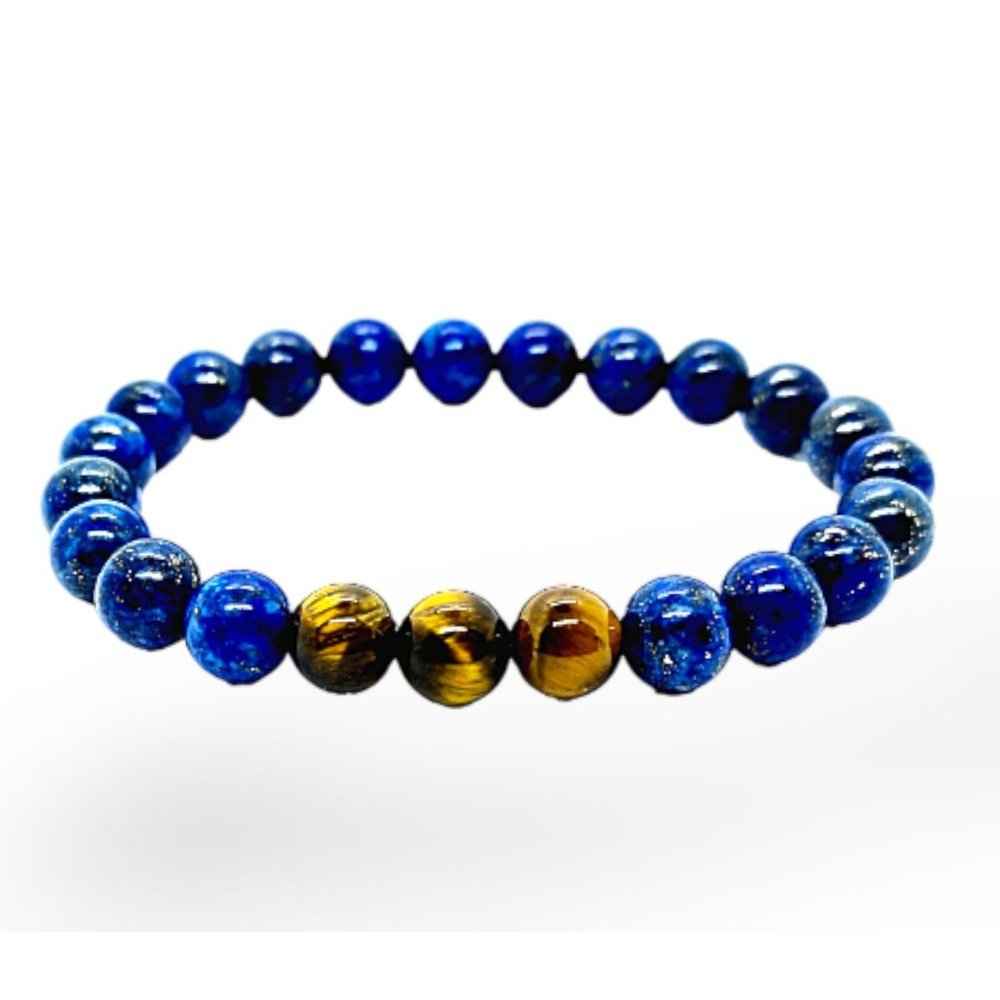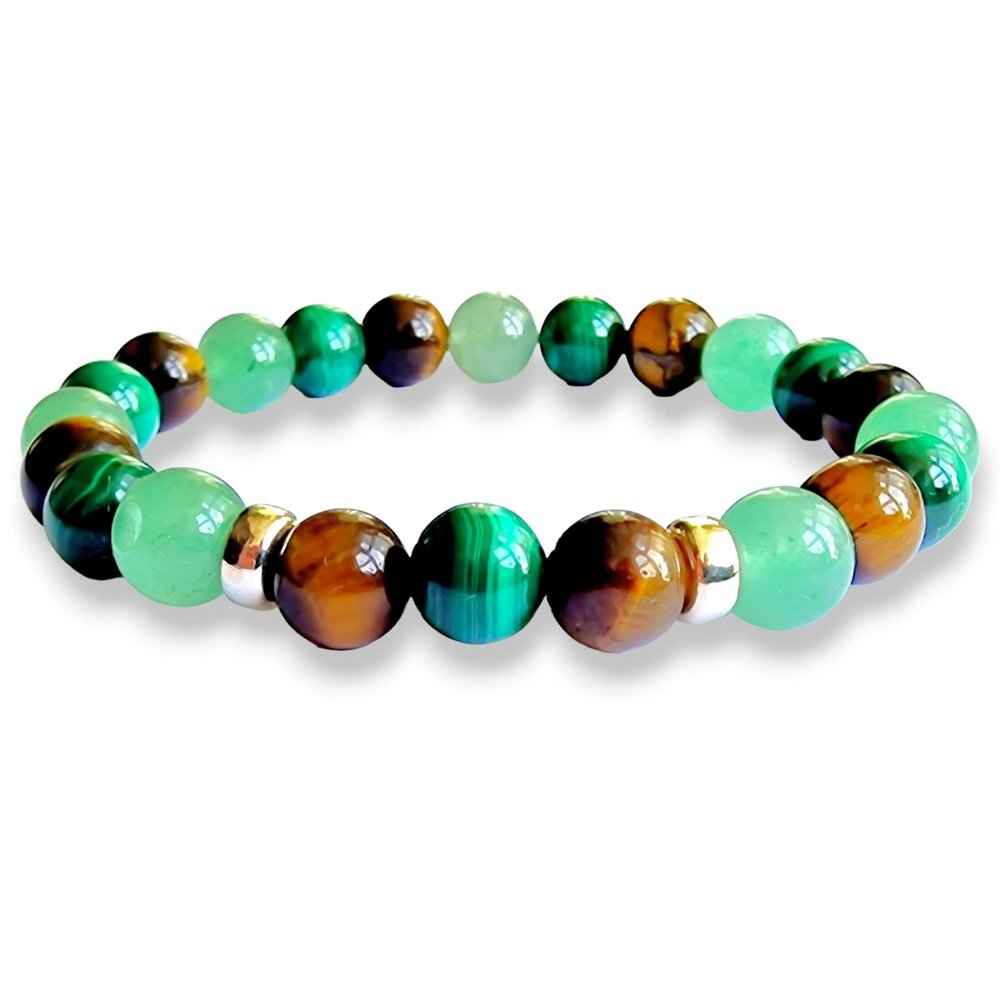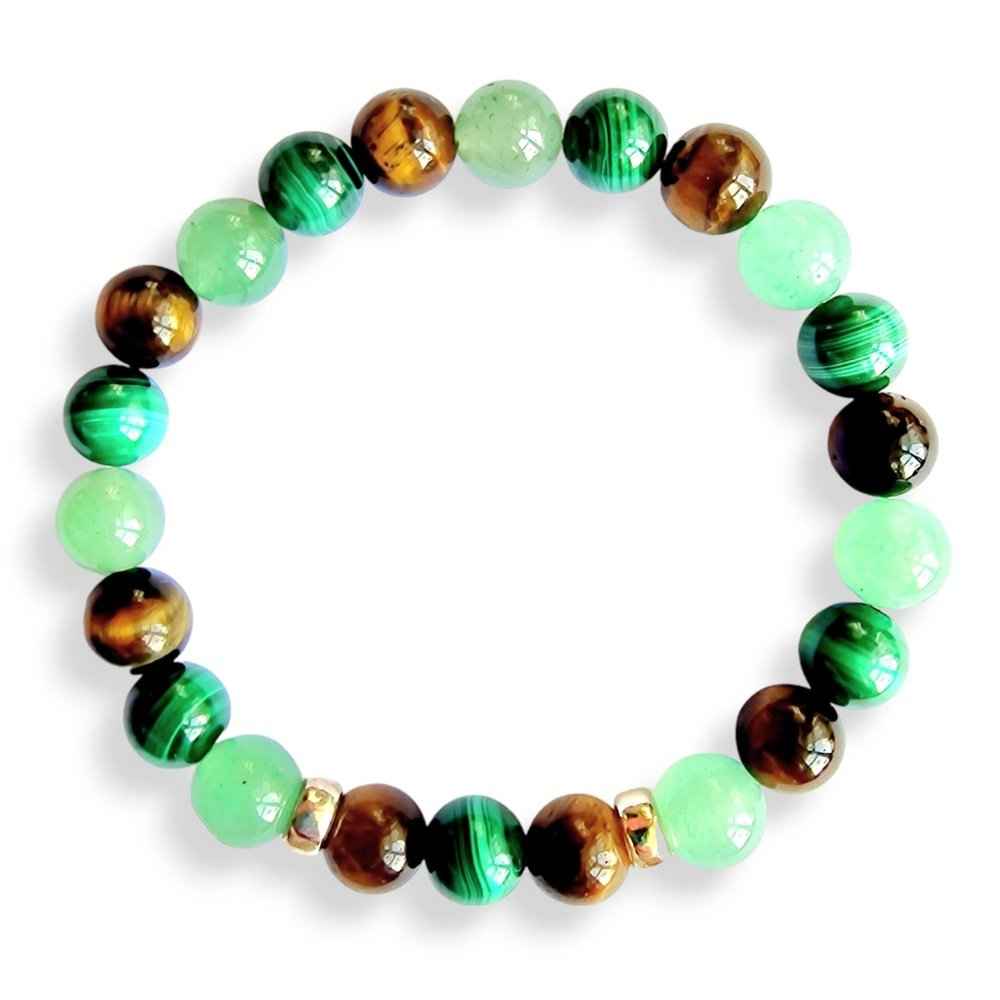
What is crystal jewellery?
Crystal jewellery is jewellery made with natural gemstones and minerals, such as amethyst, rose quartz, tiger's eye or lapis lazuli, instead of or alongside precious metals and diamonds. People wear it for the colour, the look of natural stone, the meaning traditionally attached to a stone, and the fact that every piece is slightly different because no two natural stones are identical. This guide covers the main types, what stone "meanings" actually refer to, and how to choose a piece that will last and suit you.

Crystal jewellery includes necklaces, bracelets, earrings and rings made from natural crystals and gemstones. Most affordable pieces use polished beads, tumbled stones or simple cabochons rather than the faceted, certified gems of fine jewellery. If you prefer loose stones, explore our natural crystals collection (beginner-friendly picks like amethyst, rose quartz and black tourmaline). One thing to be clear about: the value of crystal jewellery is its beauty, craftsmanship and personal or cultural meaning. The stones are decorative, and we make no medical or supernatural claims about them.
What does "crystal meaning" or "necklace meaning" refer to?
When people search for "crystal necklace meaning", they are usually asking about the cultural and historical associations of a stone, not a function. These associations built up over centuries from a stone's colour, rarity and use across different cultures, in the same way a red rose came to mean love. A few well-known examples:
- Rose quartz has been linked with love and affection since antiquity. See our rose quartz guide.
- Amethyst takes its name from the Greek for "not intoxicated" and was later linked with royalty and the Church for its purple colour. See our amethyst guide.
- Citrine was the "merchant's stone", linked with trade for its golden colour.
- Lapis lazuli was the source of the most precious blue in art and was reserved for important figures in religious painting. See our lapis lazuli guide.
So a "meaning" makes a piece a thoughtful, themed gift, but it is a cultural story attached to the stone, not a property of the mineral.
Types of crystal jewellery
Crystal necklaces
The most varied category: beaded strands, single pendant points (raw or polished), tumbled-stone pendants and faceted stones on a chain. A pendant features one stone at a visible focal point. Browse crystal necklaces.
Crystal bracelets
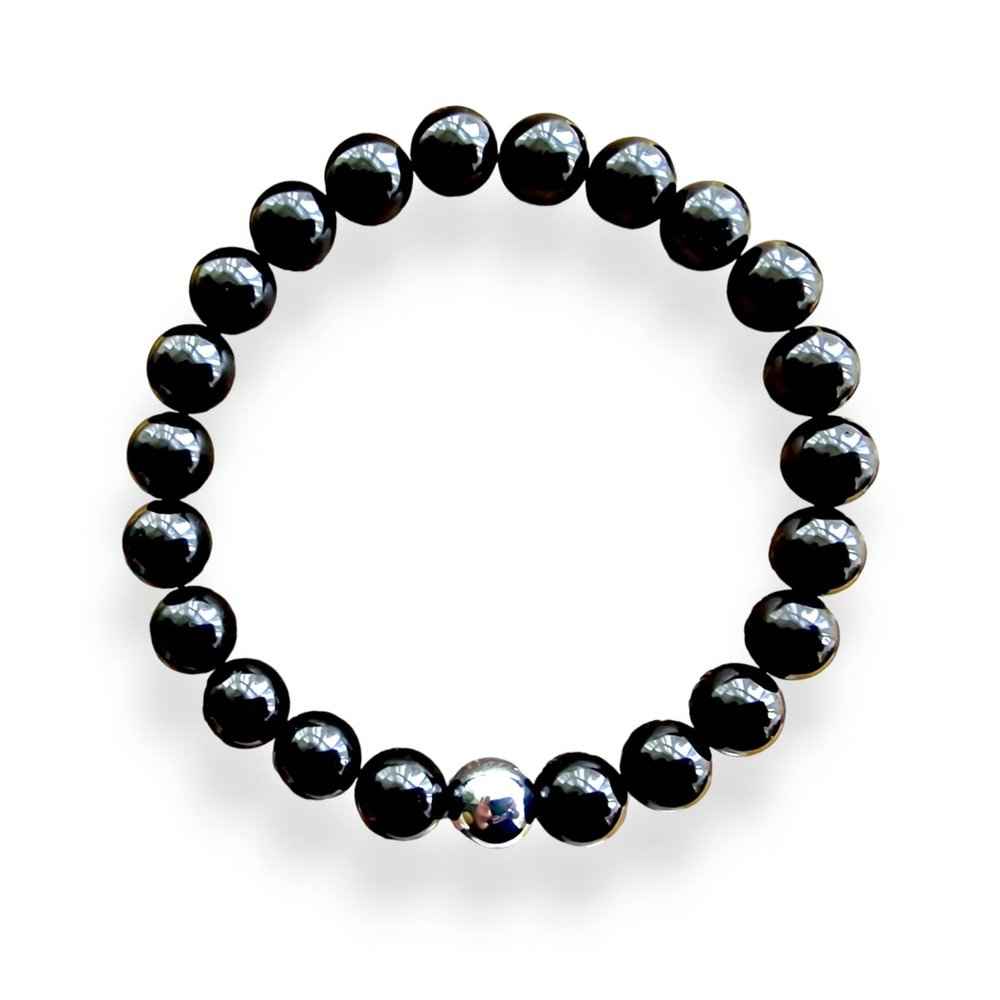
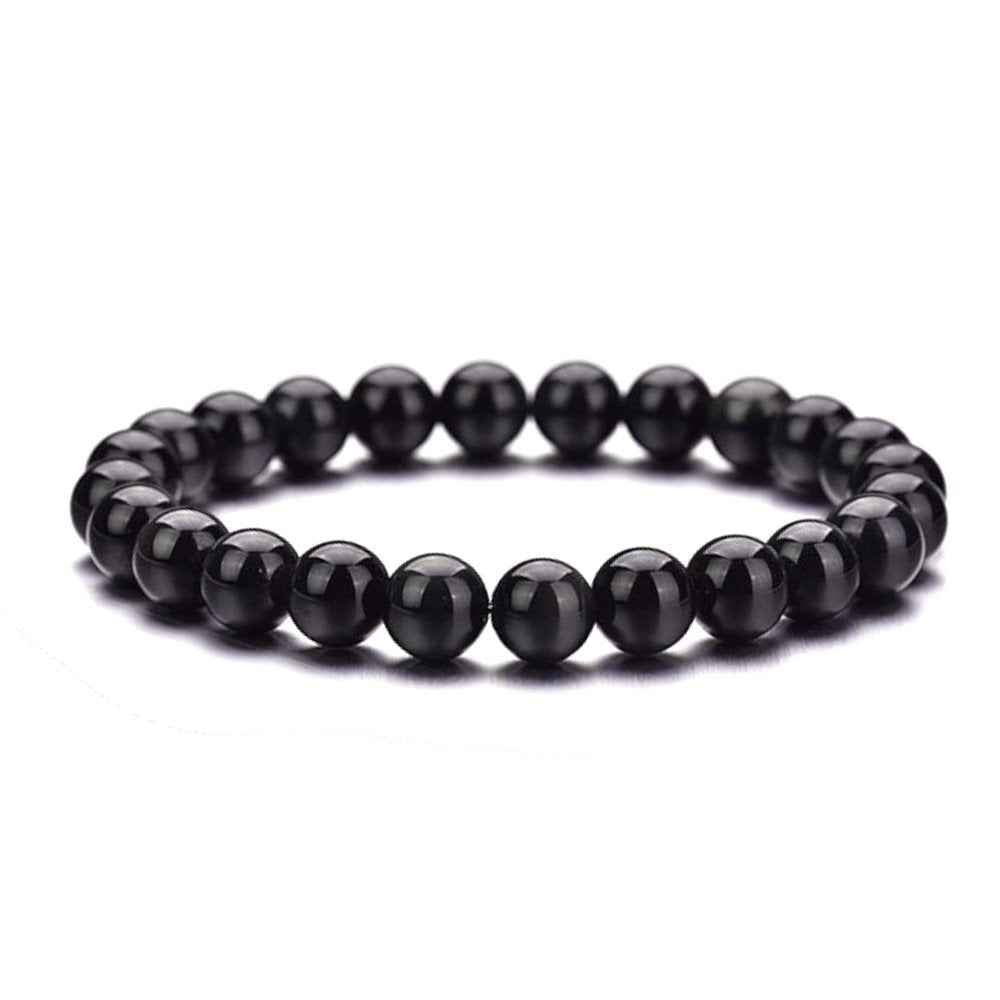
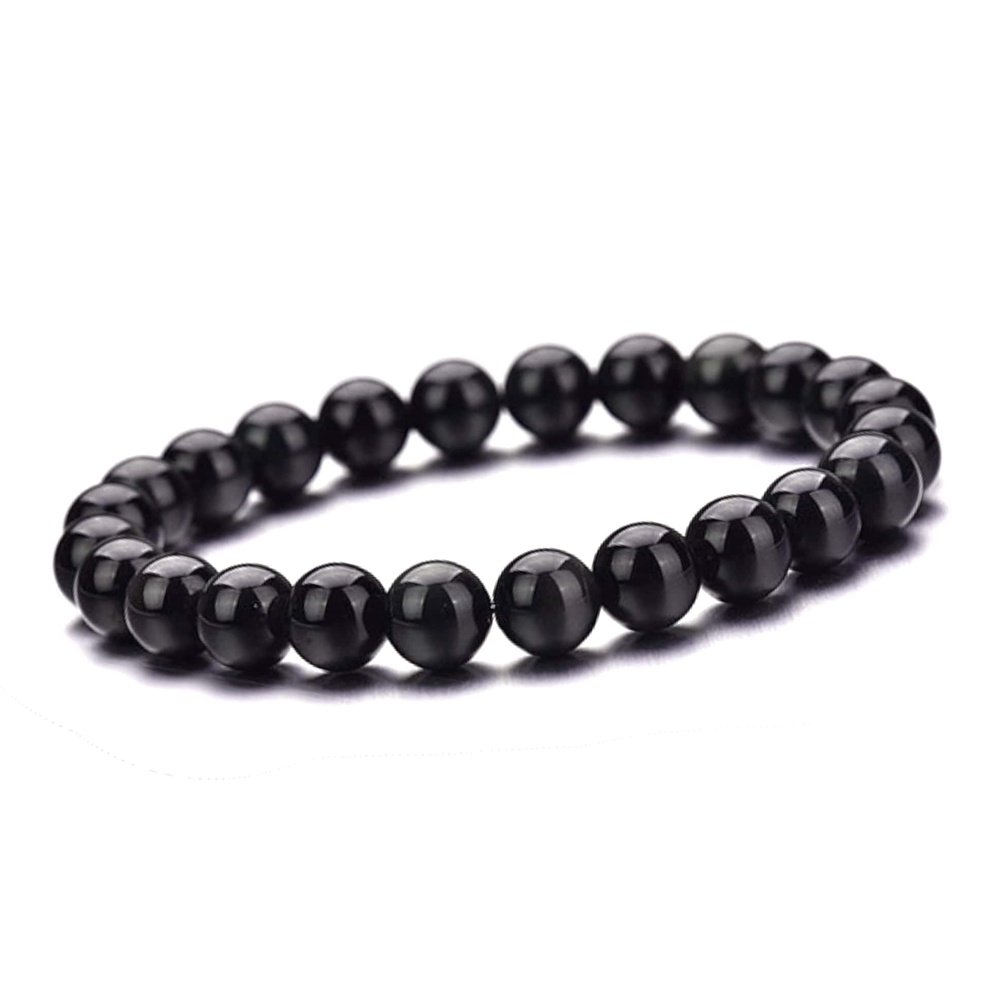
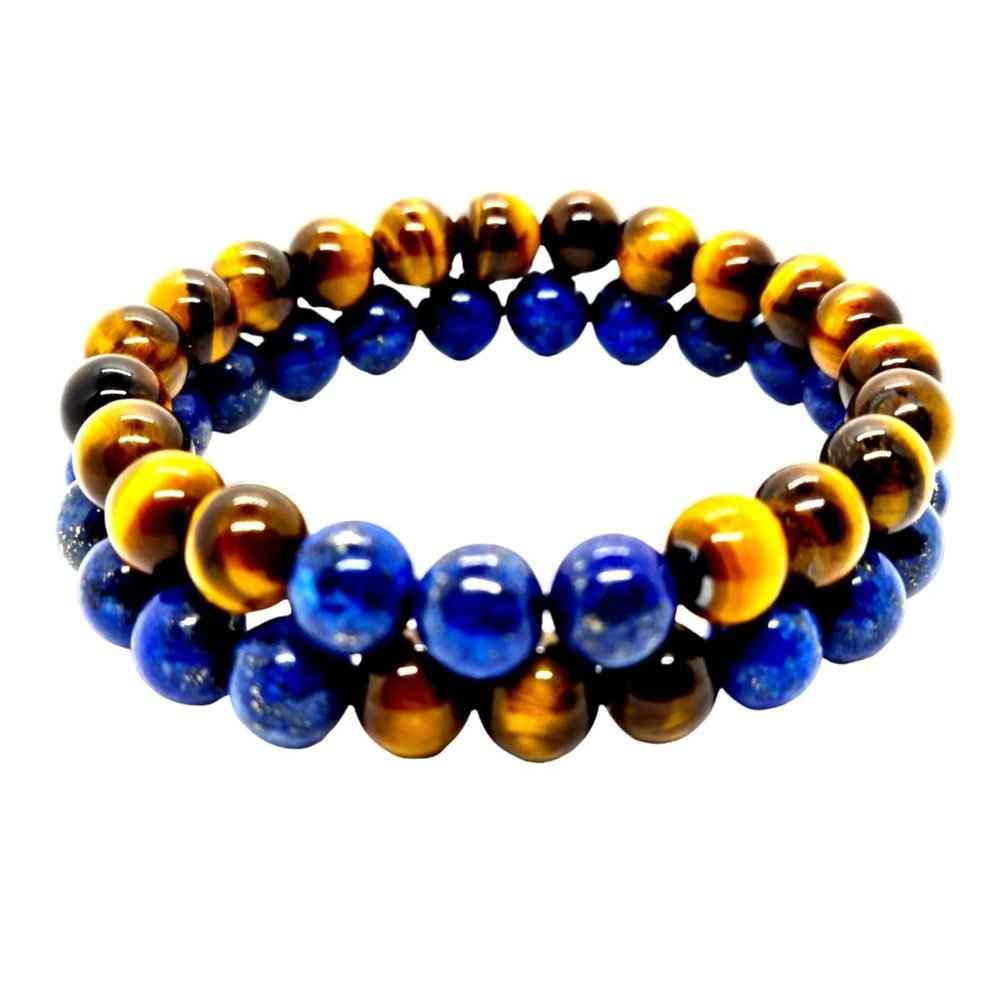
Usually stretch or knotted strands of round beads, typically 6 mm to 10 mm. The most popular and affordable format, and easy to stack. Because beads rub against each other and against surfaces, bead hardness matters for how well a bracelet ages. Browse crystal bracelets.
Crystal earrings
Studs, drops and hooks set with smaller stones or beads. Lighter stones and smaller beads are more comfortable for drop styles.
Crystal rings
Cabochon or faceted stones set in metal. Rings take the most daily impact, so harder stones (Mohs 7 and above) wear far better in a ring than softer ones.
Jewellery sets
Matching combinations (for example a bracelet and necklace in the same stone) make popular gifts. Browse crystal gift sets.
How to choose crystal jewellery
1. By durability (the most practical factor)
Hardness, measured on the Mohs scale, decides how a piece survives daily wear. Quartz-family stones (amethyst, rose quartz, citrine, tiger's eye, clear quartz, agate) are Mohs 7 and resist everyday scratching, which makes them the safest choice for rings and daily bracelets. Softer stones such as lapis lazuli (5 to 6), turquoise (5 to 6), malachite (3.5 to 4) and selenite (2) scratch and chip more easily and are better as pendants, earrings or occasional-wear pieces. Avoid pairing soft and hard stones on the same wrist, as the harder beads scratch the softer ones.
Choosing crystal jewellery by hardness
Rings and daily wear
Mohs 7 and above
- Amethyst, citrine
- Clear quartz, rose quartz
- Tiger's eye, agate
Hard and scratch-resistant. Best for rings and everyday bracelets.
Necklaces and earrings
Medium, Mohs 5 to 6
- Lapis lazuli, moonstone
- Opal, turquoise
Fine for pieces that take less knocking than rings. Keep lapis and turquoise dry.
Pendants, gentle wear
Soft, below Mohs 5
- Malachite, fluorite
- Selenite, calcite
Scratch and chip easily. Best as occasional-wear pendants or earrings, stored separately.
Avoid pairing hard and soft stones on the same wrist.
2. By metal and setting
The metal affects both look and longevity:
- Sterling silver (925): a solid precious metal, hard-wearing and re-polishable. Cool-toned, suits stones like lapis, amethyst and moonstone.
- Gold-plated or gold-tone: a thin gold layer over a base metal. Warm-toned and good value, but the plating wears over time, so keep it dry and away from perfume.
- Stainless steel: very durable and tarnish-resistant, good for everyday pieces.
- Stretch cord and wax cord: common for beaded bracelets and simple pendants. Affordable, but cord can wear, so roll bracelets on and off rather than stretching them hard.
3. By colour and style
Choose a colour you will actually wear. Warm stones (citrine, tiger's eye, carnelian) pair with gold tones; cool stones (amethyst, lapis, moonstone) with silver. Pale stones suit minimal looks; bold stones make statement pieces.
4. By size and fit
For bracelets, bead size changes the look: 6 mm is dainty, 8 mm is the most common, 10 mm is chunky. For fit, measure your wrist with a strip of paper and add about 1 to 1.5 cm for comfort. For necklaces, a shorter chain sits at the collarbone while a longer one suits layering. See our size guide.
Real vs fake: what to watch for
A few simple checks help you buy genuine stones:
- Colour too perfect: very bright, even, candy-like colour can mean dyed stone or glass. Natural colour varies across a piece.
- Temperature: natural stone feels cool and warms slowly; plastic feels warm almost at once.
- Bubbles: tiny round bubbles inside a clear "crystal" point to glass.
- Made-up names: "cherry quartz", "goldstone" and "opalite" are usually man-made glass. Ask the seller what a stone actually is.
- Price: a large, flawless, vivid stone at a tiny price is often glass or dyed.
How to care for crystal jewellery
- Cleaning: for most quartz-family stones, wipe with a soft cloth, or use a brief rinse and dry fully. Avoid ultrasonic and steam cleaners.
- Water-sensitive stones: wipe lapis lazuli, malachite, selenite and turquoise with a dry cloth only.
- Metals and cord: keep gold-plated pieces and stretch cord dry, and put jewellery on after perfume and skincare.
- Storage: store pieces separately so harder stones do not scratch softer ones.
For details, see how to clean crystal jewellery safely and the water-safe crystals guide.
Crystal jewellery as a gift
Crystal jewellery makes an easy, gift-ready present: pick the recipient's favourite colour, or a stone whose look suits the occasion. For full gift ideas by person, budget and occasion, see our crystal gift guide.
Frequently asked questions
What is crystal jewellery?
Crystal jewellery is jewellery made with natural gemstones and minerals such as amethyst, rose quartz, citrine and tiger's eye, in the form of necklaces, bracelets, earrings and rings. It is chosen for the colour and natural variation of the stone, the cultural meaning attached to a stone, and as everyday or gift jewellery. The stones are decorative.
What does a crystal necklace mean?
"Crystal necklace meaning" usually refers to the cultural and historical association of the stone in the pendant, for example rose quartz with love, amethyst with calm, or citrine with joy. These are traditional associations, comparable to flower symbolism, that make a necklace a meaningful gift. They are not physical effects of the stone.
Which crystals are best for everyday jewellery?
Quartz-family stones, amethyst, rose quartz, citrine, tiger's eye and clear quartz, are the most practical because they are Mohs 7 and resist scratching. Softer stones like lapis lazuli, malachite and selenite are better as occasional-wear pendants than rings.
Can I wear crystal jewellery in the shower or to sleep?
Remove jewellery before showering and swimming, especially pieces with water-sensitive stones, plated metal or cord. You can sleep in simple durable pieces, but stretch bracelets and delicate settings last longer if removed at night.
How do I choose the right crystal jewellery?
Start with durability (a Mohs 7 stone for daily wear), then metal, then colour and style, then size and fit, and finally meaning if it is a gift. Buying on these practical factors gives you a piece you will keep wearing.
Shop crystal jewellery at Crystals Healing UK
Hand-selected and packaged in the UK, genuine natural stone. Free UK delivery over £30.
Related reading
- Crystals for Beginners: how to choose, use and care
- Crystal Gift Guide: best crystals for every occasion
- Water-Safe Crystals: what can go in water and what to avoid
- How to choose a trusted crystal jewellery shop
Shop & downloads
- Crystal Bracelets and Crystal Necklaces
- Crystal Jewellery and Crystal Gifts
- New Arrivals and Sale
- Free Crystal Care Checklist (PDF) and Water-Safe Crystals Quick Chart (PDF)
Our crystals are sold as decorative natural stones, jewellery and gifts. We make no medical, therapeutic or supernatural claims about them. If you have a health concern, please consult a qualified medical professional.