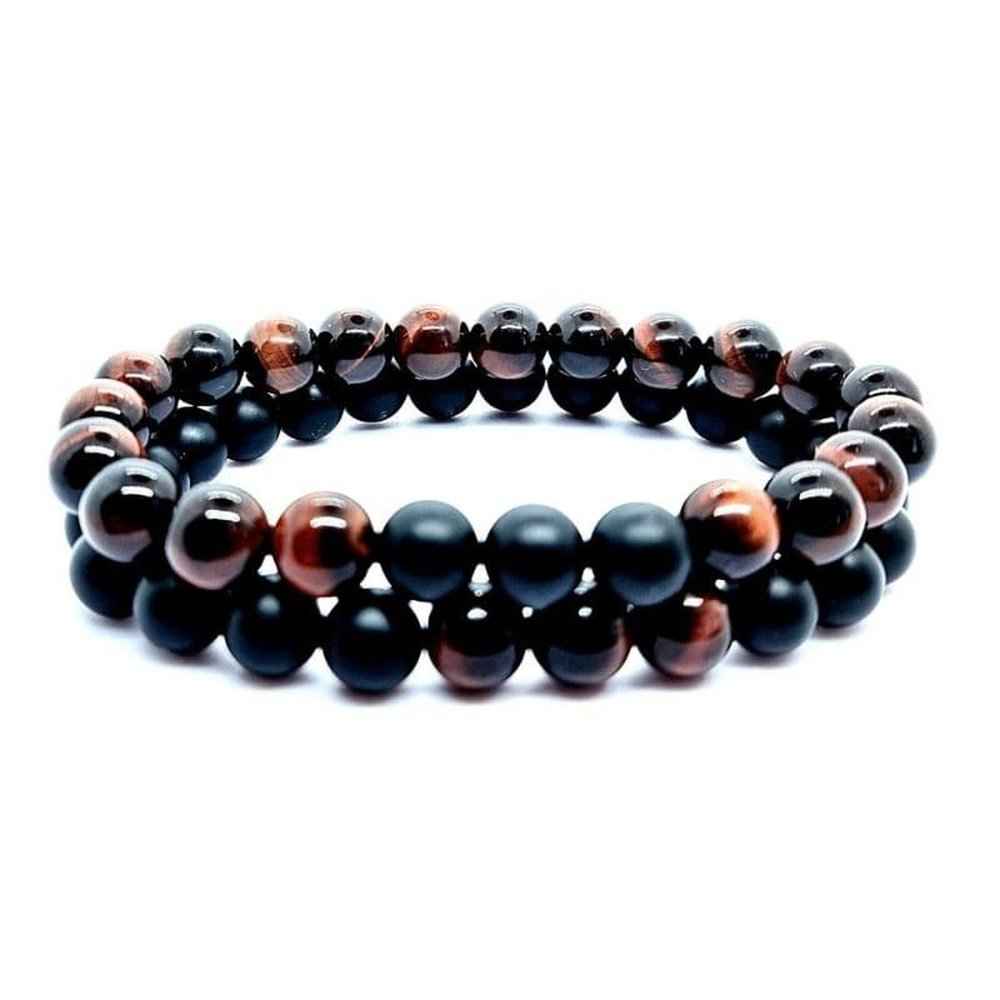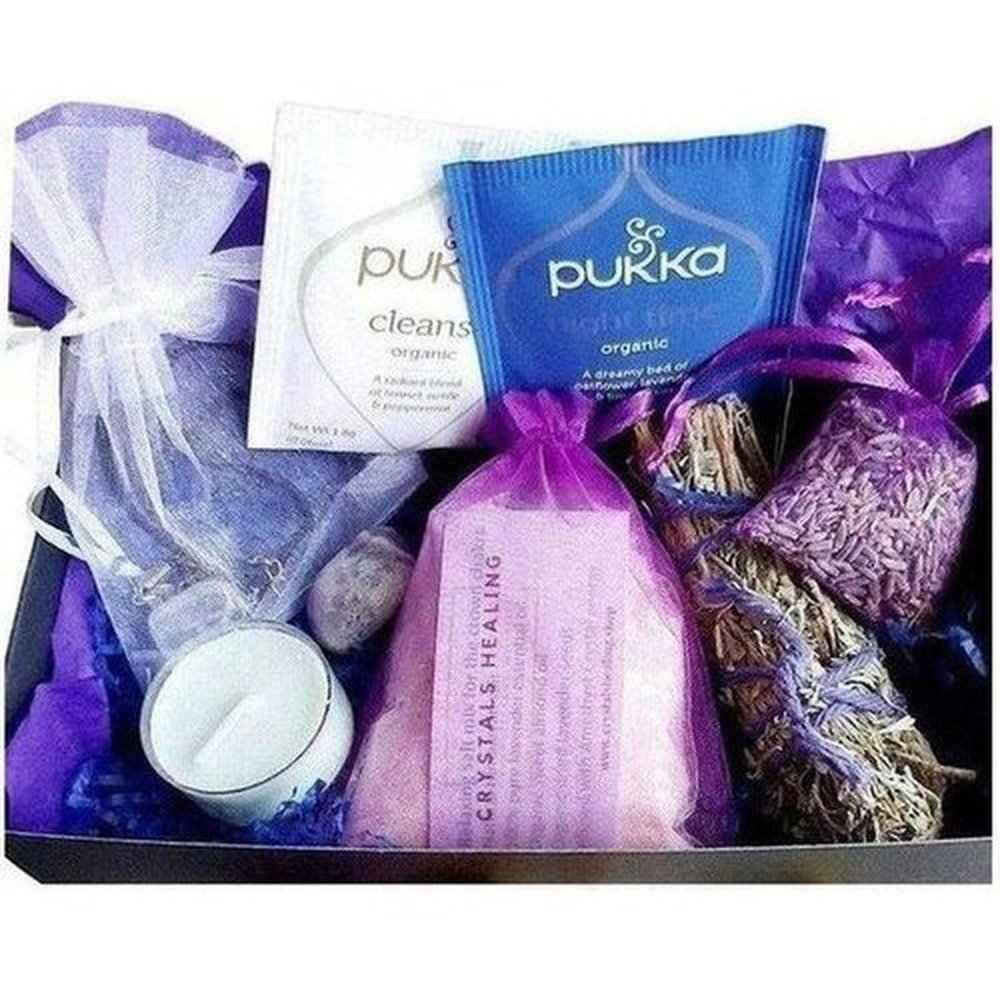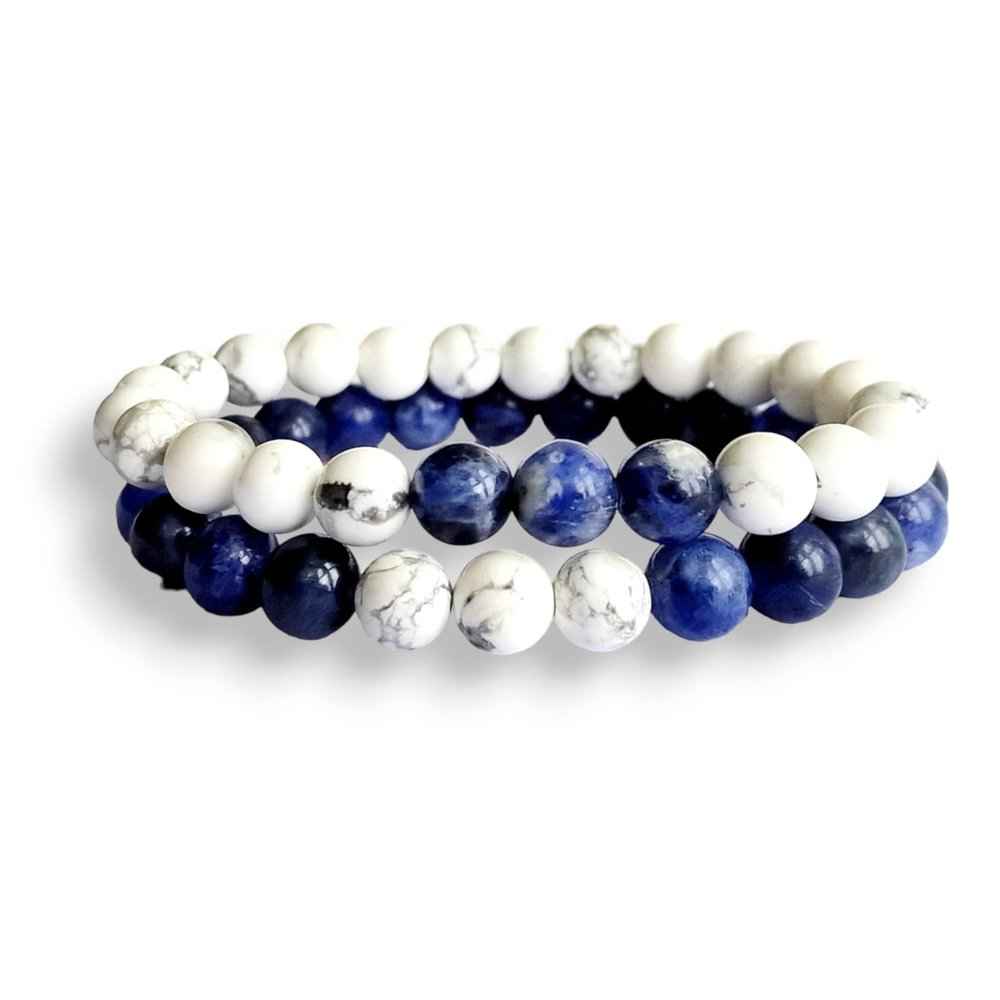
The best way to start is with one or two stones you like, learn the simple care rules, and keep it low-effort. Easy, durable starter crystals include clear quartz, amethyst, rose quartz and black tourmaline. Enjoy them as pocket stones, home decor or jewellery, and clean them with a soft dry cloth (a quick rinse only for water-safe stones).
Crystals for beginners: a simple place to start
If you are looking for crystals for beginners, the best approach is simple: start with one or two stones, learn how to care for them, and keep things easy. Crystals are natural minerals that people collect and enjoy for their colour and beauty, display at home, or wear as jewellery. Many people also value the cultural meaning traditionally attached to a stone, in the same way a flower can carry meaning.
This crystals for beginners guide is practical: what crystals actually are, how to choose your first stones, which crystals to avoid as a beginner, how to tell real from fake, and how to care for them so they last. Our crystals are sold as decorative natural stones and jewellery, and we make no medical or supernatural claims about them.
What are crystals?
A crystal is a naturally occurring mineral with an ordered internal structure, which is what gives many crystals their regular shapes and flat faces. Most popular crystals are varieties of quartz (silicon dioxide), including clear quartz, amethyst, citrine and rose quartz. Their colours usually come from tiny amounts of other elements: iron makes amethyst purple, for example.
One number is worth knowing as a beginner: Mohs hardness, a 1 to 10 scale of how easily a stone scratches. Quartz-family stones sit at 7 and are tough enough for daily wear, while softer stones such as selenite (2) or fluorite (4) need gentler handling. Hardness is also the key to safe cleaning, which we cover below.
How to choose your first crystals
- Start small: one or two stones is plenty.
- Pick how you will use it: a pocket stone, a piece for the home, or jewellery.
- Choose what you like: if you enjoy the colour and feel, you will actually keep it around.
- Keep it low-maintenance: for an easy start, choose hard, durable quartz-family stones.
Six easy starter crystals
These are durable (mostly Mohs 7), affordable and widely available, which makes them ideal first stones. If you would rather start with a ready-made set, see our crystal sets and kits.
Six easy starter stones (durable and affordable)
-
Clear quartzMohs 7Colourless and versatile, the easy all-rounder.
-
AmethystMohs 7Purple quartz, a classic first stone.
-
Rose quartzMohs 7Soft pink quartz, popular in jewellery.
-
CitrineMohs 7Warm yellow to gold quartz.
-
Black tourmalineMohs 7 to 7.5Deep black, easy everyday wear.
-
Tiger's eyeMohs 7Golden-brown bands with a silky shimmer.
All are hard stones, durable, fine for a quick rinse and beginner-friendly.
Here is the same list with where to find each stone and what makes it a good first pick:
| Stone | Mohs | Why it suits beginners | Browse |
|---|---|---|---|
| Clear quartz | 7 | Durable, affordable, easy to clean, goes with everything. | Clear quartz |
| Amethyst | 7 | The classic first stone; keep it out of strong sun. | Amethyst |
| Rose quartz | 7 | Gentle colour, tough enough for daily wear and handling. | Rose quartz |
| Citrine | 7 | Warm colour; we label heat-treated pieces honestly. | Citrine |
| Black tourmaline | 7 to 7.5 | Very hard-wearing; polished pieces are low-maintenance. | Black tourmaline |
| Tiger's eye | 7 | Striking natural bands; each piece is visibly unique. | Tiger's eye |
Browse beginner-friendly pieces in our tumbled stones and natural crystals collections.
Crystals to avoid as a beginner
Not every popular stone is a good first stone. None of these are "bad", they just need experience or extra care that makes them frustrating early on:
- Selenite: beautiful but very soft (Mohs 2) and ruined by water. Fine once you know the rules; see our selenite care guide first.
- Malachite and pyrite: keep-dry stones that should never go in water you touch or drink. Better once you know basic care.
- Fluorite and calcite: soft (Mohs 3 to 4), chip easily and lose polish with careless handling.
- Opal and turquoise: porous and sensitive to water, oils and knocks; genuine pieces are also pricier, so mistakes cost more.
- Anything unlabelled or suspiciously cheap: if a seller cannot tell you what a stone is, skip it. Dyed howlite sold as turquoise is the classic example.
Crystal forms explained
The same stone comes in several forms, so it helps to know what you are looking at:
- Tumbled stones: small, smooth, rounded pieces. The cheapest and easiest way to start.
- Raw or rough: natural, uncut chunks with a more rugged look.
- Points and towers: polished pieces that stand upright, popular for display.
- Clusters and geodes: many crystal points on a base, striking as a centrepiece.
- Spheres and palm stones: rounded display or hold-in-hand pieces.
- Jewellery: bracelets, pendants and rings, the easiest way to keep a stone with you.
How to use crystals (beginner-friendly)
1) Carry one with you
Keep a small tumbled stone in your pocket or bag. It is a simple, pleasant object to have on hand, and a nice keepsake if it was a gift.
2) Display it at home
Place crystals where you will actually see them, for example a desk, bedside table or windowsill (keeping colour-sensitive stones out of strong sun). They make attractive, natural decor.
3) Wear it as jewellery
Jewellery is the easiest way to keep a stone with you day to day. For care, read how to clean crystal jewellery safely.
Using crystals for the first time: a simple first week
If you are wondering how to use crystals for the first time, keep it simple. Day one: give your new stone a wipe with a soft dry cloth and find it a spot you will actually see. During the week: handle it, notice the colour and pattern, and learn its one or two care rules (is it water safe, does it fade in sun). That is genuinely all a beginner needs; there is no required setup or preparation.
Real vs fake: what to watch for when buying
As a beginner, a few simple checks help you buy genuine stones:
- Colour too perfect: very bright, even, candy-like colours can mean dyed stone or glass. Natural colour usually varies across a piece.
- Temperature: real stone feels cool and warms slowly. Plastic feels warm almost at once.
- Bubbles: tiny round bubbles inside a clear "crystal" point to glass.
- Too cheap to be true: a large, flawless, vivid stone at a tiny price is often glass or dyed.
- Names to question: terms like "cherry quartz" or "goldstone" are usually man-made glass. Ask the seller what a stone actually is.
For stone-by-stone checks, see our guides on how to tell if amethyst is real and how to tell if turquoise is real.
Crystal care basics (safe rules that prevent damage)
- Keep it gentle: avoid harsh cleaners, soaking and scrubbing.
- Water is not universal: some stones are damaged by water (for example selenite and halite).
- Avoid salt: salt can scratch polished surfaces and damage many stones and jewellery parts.
- Be careful with sun: prolonged strong sun can fade some stones (for example amethyst and rose quartz).
- Store thoughtfully: keep soft stones away from harder, rough ones to prevent scratching. See how to store crystals.
For the full breakdown of which stones tolerate water, see our water-safe crystals guide.
How to clean crystals (simple methods)

For beginners, cleaning is just physical cleaning to remove dust and fingerprints:
- Dry cloth wipe: a soft microfibre cloth is safe for every stone, including soft ones.
- Quick rinse: only for water-safe, hard stones, then dry immediately. When unsure, dry wipe instead.
- Soft brush: for carved or textured pieces, a dry soft brush lifts dust from grooves.
For a full overview, read How to Clean Crystals (2026 Guide), and for timing, how often to clean crystals.
Common beginner mistakes to avoid
- Soaking a water-sensitive stone: the most common way to ruin selenite, malachite or pyrite.
- Leaving colour-sensitive stones in the sun: amethyst and rose quartz can fade over time on a sunny windowsill.
- Storing everything together: harder stones scratch softer ones. Use pouches or compartments.
- Buying too many at once: start with one or two and add as you go.
- Assuming every "crystal" is natural: check for dyed or glass pieces (see above).
Building a collection on a budget
You do not need to spend much to start. Tumbled stones are often only a pound or two each, so a small handful of quartz-family stones is an affordable beginning. Add a single piece of jewellery you will wear, and a pouch to store everything safely. Free UK delivery applies on orders over £30, so a small gift set can be good value.
Printable help: a beginner checklist (free PDF)
If you want a simple routine you can keep, download our free printables: the Crystal Care Checklist (Printable PDF) and the Water-Safe Crystals Quick Chart (Printable PDF). Both are free, one page each, and cover everything a beginner needs to remember.
Beginner FAQ
What is the best crystal for a complete beginner?
Clear quartz, amethyst and rose quartz are the easiest first stones: durable (Mohs 7), affordable, widely available and simple to care for.
Do I need to do anything to a new crystal?
No. Give it a wipe with a soft dry cloth so it looks its best, and that is all it needs.
How do I use crystals for the first time?
Wipe your new stone with a dry cloth, choose a spot for it or carry it with you, and learn its one or two care rules (water safety and sun sensitivity). There is no required setup or preparation.
Which crystals should beginners avoid?
Skip very soft or water-sensitive stones at first: selenite, fluorite, calcite, malachite and pyrite all need extra care. They make great second purchases once the basics are habit.
Can beginners clean crystals with water?
Some hard stones handle a brief rinse, but many do not. If you are unsure, skip water and use a dry cloth. See our water-safe crystals guide.
How do I know if a crystal is real?
Watch for unnaturally bright or perfectly even colour, internal bubbles (a sign of glass), a stone that warms instantly in the hand, and prices that seem too good to be true. Ask the seller what a stone actually is.
Is there a crystals for beginners PDF I can download?
Yes, two: our free Crystal Care Checklist PDF and the Water-Safe Crystals Quick Chart PDF. Print them or save them to your phone.
Do crystals replace medical treatment?
No. Crystals are decorative natural stones. They are not a substitute for medical advice or treatment. If you have a health concern, speak to a qualified professional.
Related reading
- How to Clean Crystals: simple and effective methods
- Water-Safe Crystals: what can go in water and what to avoid
- How to Store Crystals: stop scratches, fading and damage
- Crystal Jewellery Guide: types, meaning and how to choose
- Crystal Sets and Kits: how to choose and use them
- Powerful Crystals: the beauty of nature explained
Shop
- Tumbled Stones, the easiest way to start
- Natural Crystals
- Crystal Bracelets
- Crystal Necklaces
- Crystal Gifts
- Crystal Pouches, for safe storage
Our crystals are sold as decorative natural stones, jewellery and gifts. We make no medical, therapeutic, spiritual or supernatural claims about them. If you have a health concern, please consult a qualified medical professional.