Pixiu Meaning Guide | Feng Shui & Jewellery Tips

Everything You Must Know About Pixiu for Wealth and Protection
Everything You Must Know About Pixiu: Meaning, Feng Shui and Jewellery
April 8, 2021

Everything You Must Know About Pixiu

Updated: 14/02/2026

Everything You Must Know About Pixiu for Wealth and Protection

Everything You Must Know About Pixiu is a reference style guide to Pixiu as it appears in Chinese folklore, art, and Feng Shui traditions. Pixiu is commonly described as a powerful hybrid guardian creature and is widely associated with prosperity symbolism, safeguarding symbolism, and disciplined intention setting in personal rituals. This article explains names, iconography, traditional roles, and practical placement conventions, plus how Pixiu is worn as jewellery.


Quick navigation

  • What is Pixiu
  • Names and variants: Pixiu, Pi Yao, Tian Lu, Bi Xie
  • Appearance and symbolism in tradition
  • Pixiu in Feng Shui: common uses
  • Placement guidance: do and do not
  • Pixiu jewellery: how to wear it responsibly
  • Care resources and related reading
  • FAQ

What is Pixiu

Pixiu is a mythical creature from Chinese tradition, often portrayed as a fierce protective beast and auspicious guardian. In Feng Shui practice, Pixiu figures and charms are used as symbolic objects associated with prosperity symbolism and safeguarding symbolism, especially in contexts like homes, offices, and personal accessories. Common depictions present Pixiu as a strong, lion like creature, sometimes with wings, often with dragon like features, and typically shown in an alert, ready stance.


Names and variants: Pixiu, Pi Yao, Tian Lu, Bi Xie

Pixiu is also widely referred to as Pi Yao in contemporary Feng Shui and jewellery contexts. Traditional lore often distinguishes two related types by horn count:

  • Tian Lu is commonly described as the wealth oriented form in tradition, associated with seeking and guarding valuables.
  • Bi Xie is commonly described as the protective oriented form in tradition, associated with warding off negativity and guarding the home.

In practice, modern products may use the names interchangeably. For readers, the most helpful approach is to focus on the intended use and placement conventions, rather than trying to verify a single universal naming standard.

Appearance and symbolism in tradition

Pixiu iconography varies by era and region. You will see combinations of features such as a dragon like head, a muscular body, clawed feet, and sometimes wings. In many traditions, Pixiu is described as having a strong appetite for valuables like gold, silver, and jewels, which is why it became closely linked with prosperity symbolism. In household symbolism, Pixiu is also treated as a guardian figure, which is why it is often placed near entrances or in visible locations.

Everything You Must Know About Pixiu

Pixiu in Feng Shui: common uses

In Feng Shui practice, Pixiu is used as a symbolic enhancer in a few recurring ways. Interpretations vary across practitioners and schools, but common themes include:

  1. Prosperity symbolism as a visual reminder of disciplined habits, opportunity seeking, and long term focus.
  2. Safeguarding symbolism for the home or workplace, often placed in prominent areas as a guardian figure.
  3. Supportive symbolism during difficult periods where some practitioners link Pixiu with Tai Sui related traditions and annual Feng Shui cycles.


Pixiu Feng Shui placement guidance

Placement conventions are not universal rules, but they are widely repeated in mainstream Feng Shui advice. The goal is usually consistent symbolism, respectful display, and practical protection of the object itself.


Do

  1. Place Pixiu in a clean, respected space where it will not be exposed to steam, splashes, or harsh cleaning chemicals.
  2. Position it facing outward toward a door or window in line with the traditional symbolism of looking outward for opportunities.
  3. Keep the placement below head height which is commonly recommended as a sign of respect and balance in the relationship between owner and object.
  4. Choose stability over constant movement so the figure does not get knocked over, chipped, or scratched.
  5. Use pairs only if your tradition calls for it as some households place Pixiu in pairs, while others use a single figure. Either approach can be consistent if the symbolism is clear.


Do not

  1. Avoid placing Pixiu in bathrooms or facing toilets because many traditions treat these areas as unsuitable for auspicious display.
  2. Avoid placing Pixiu in bedrooms because many traditions prefer to keep guardian symbols in active shared spaces rather than rest spaces.
  3. Avoid mirrors directly facing Pixiu which some traditions interpret as symbolic deflection rather than welcoming.
  4. Avoid unnecessary handling of the face especially the eyes and mouth, since many traditions treat these as the features used for symbolically seeking valuables and guarding.
  5. Avoid disrespectful display habits such as stuffing objects into the mouth, forcing materials into small openings, or placing it where it is likely to be knocked or ignored.


Pixiu jewellery: how to wear it responsibly

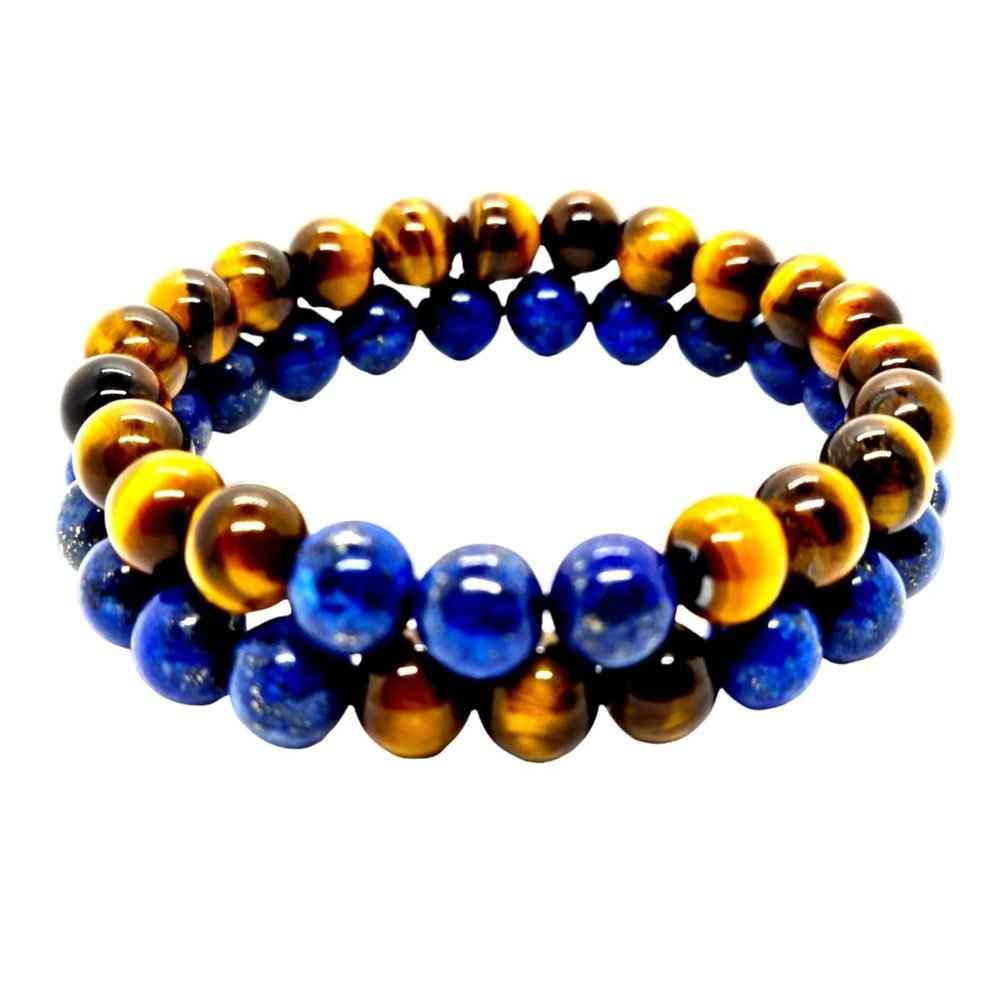
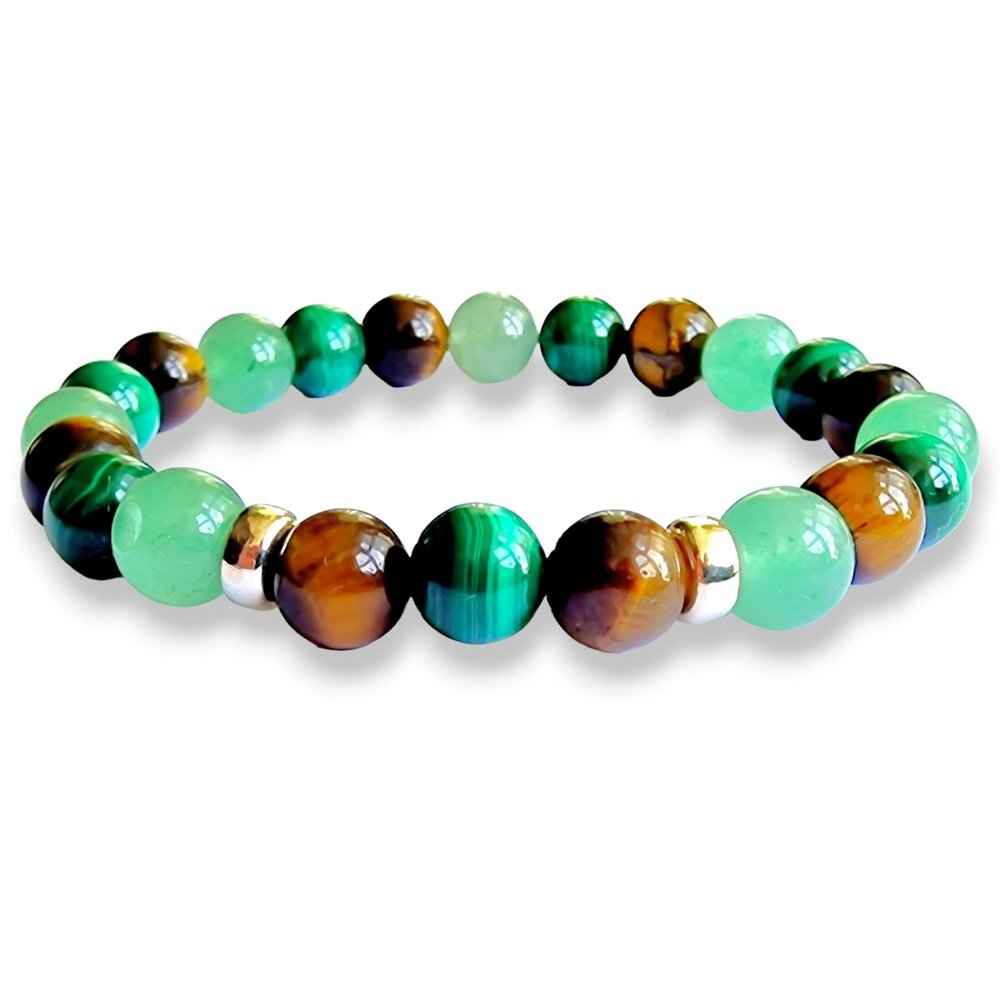
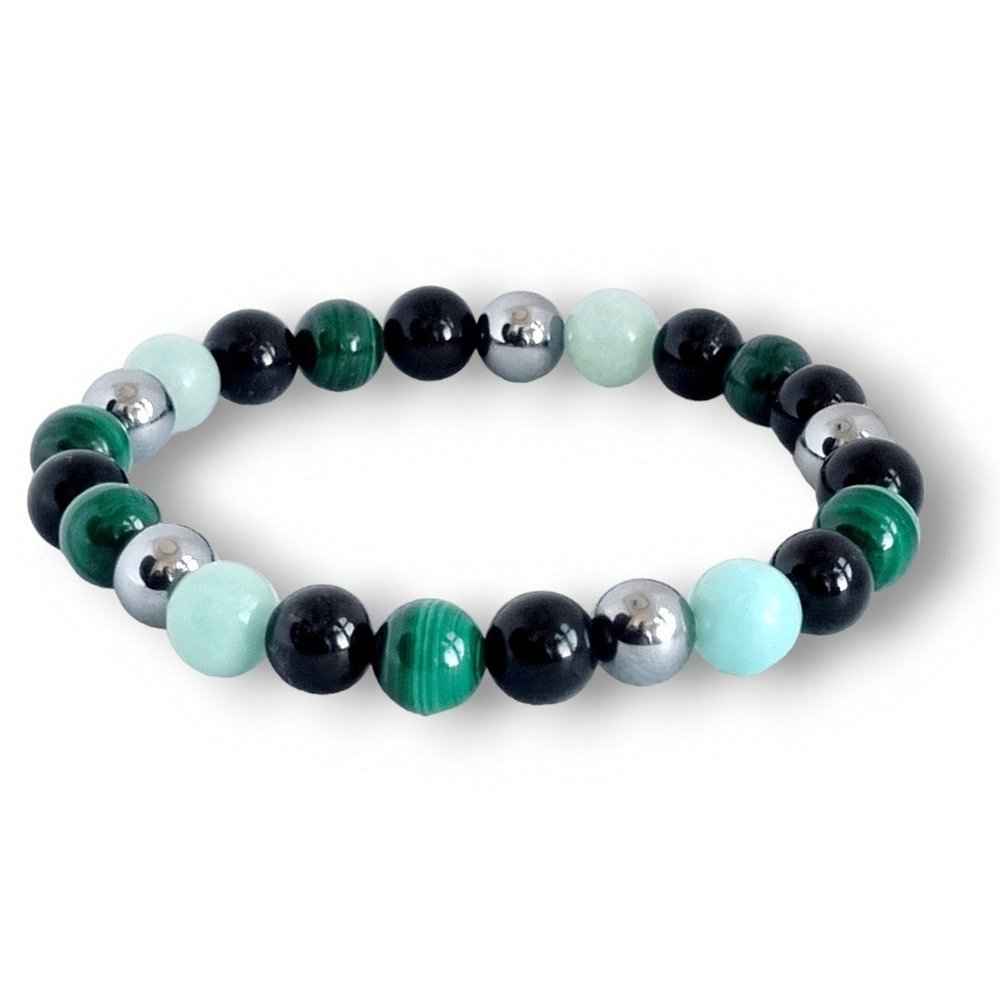
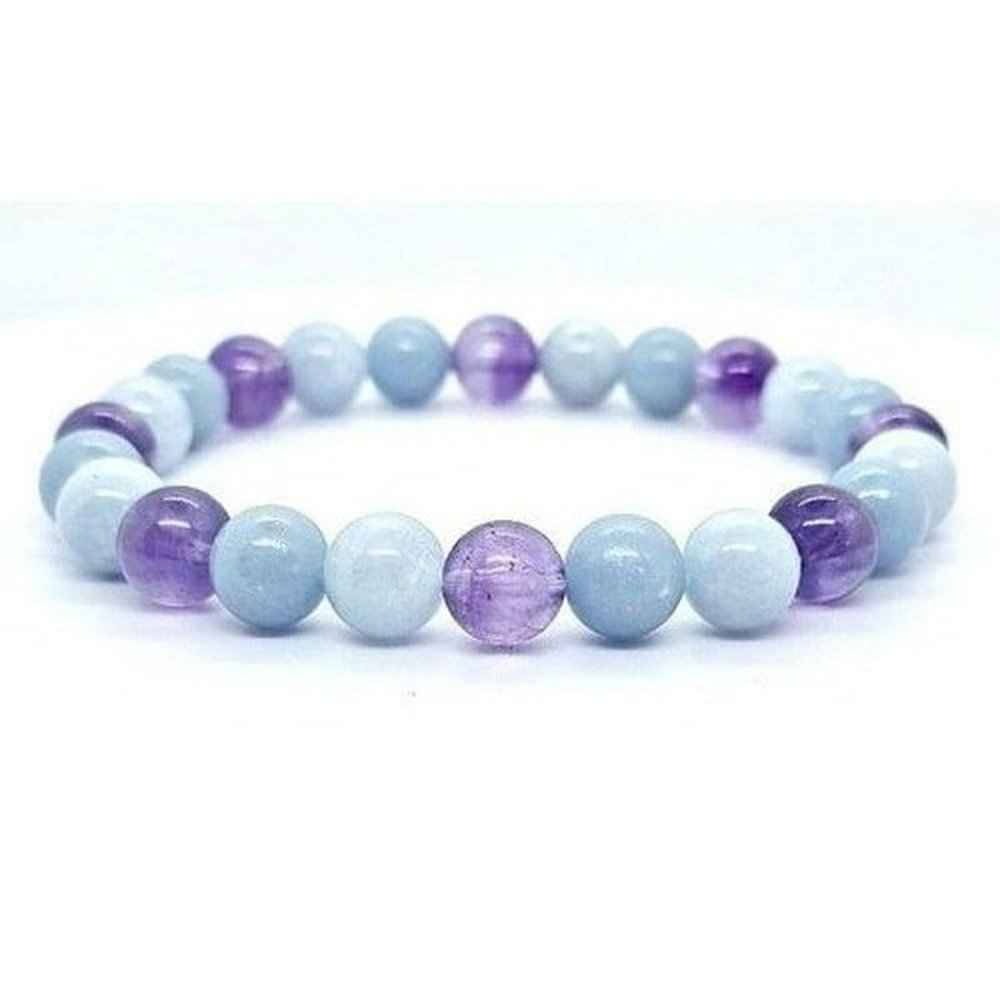
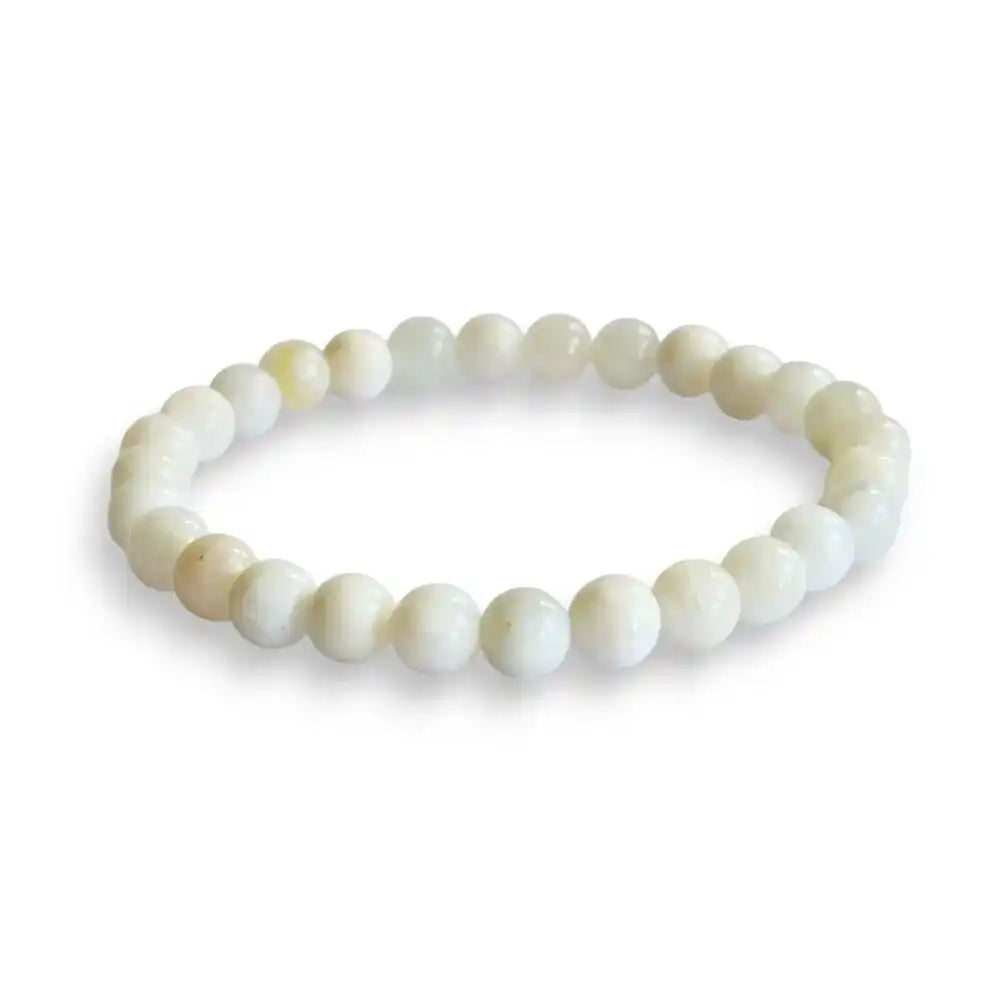
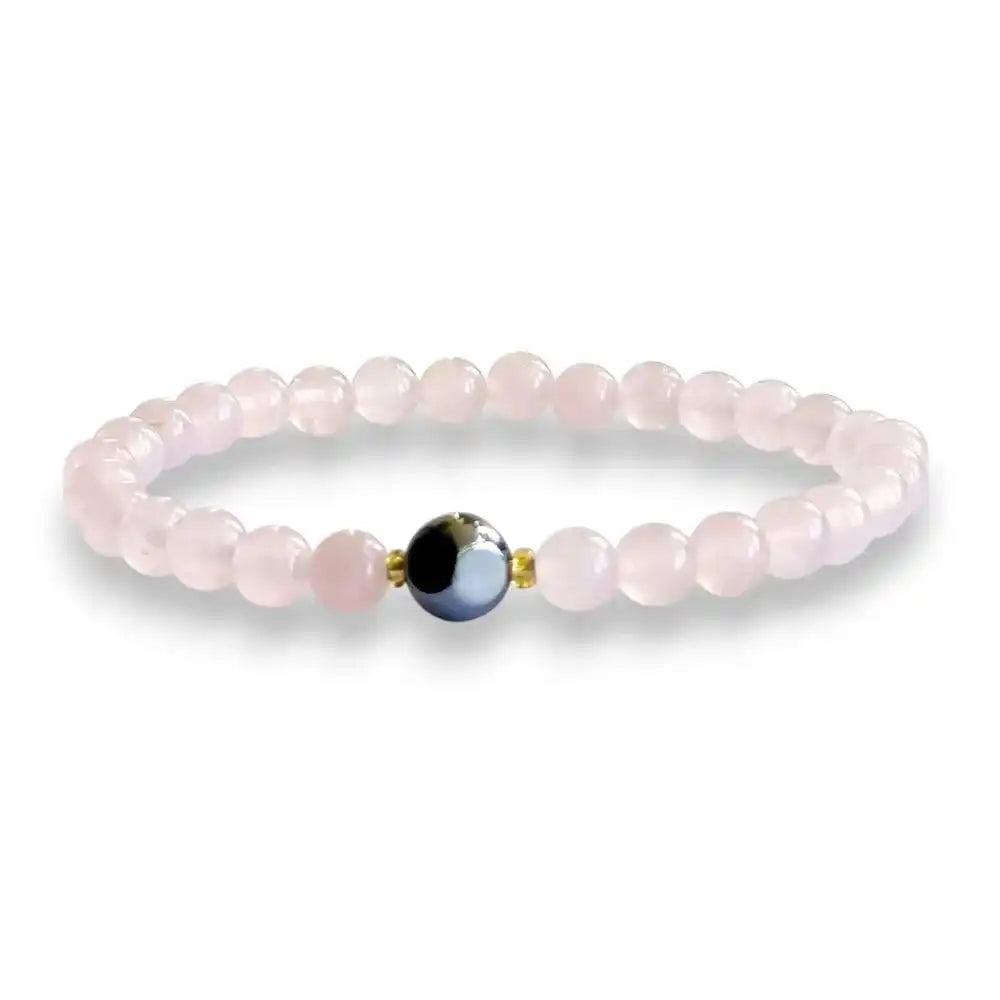
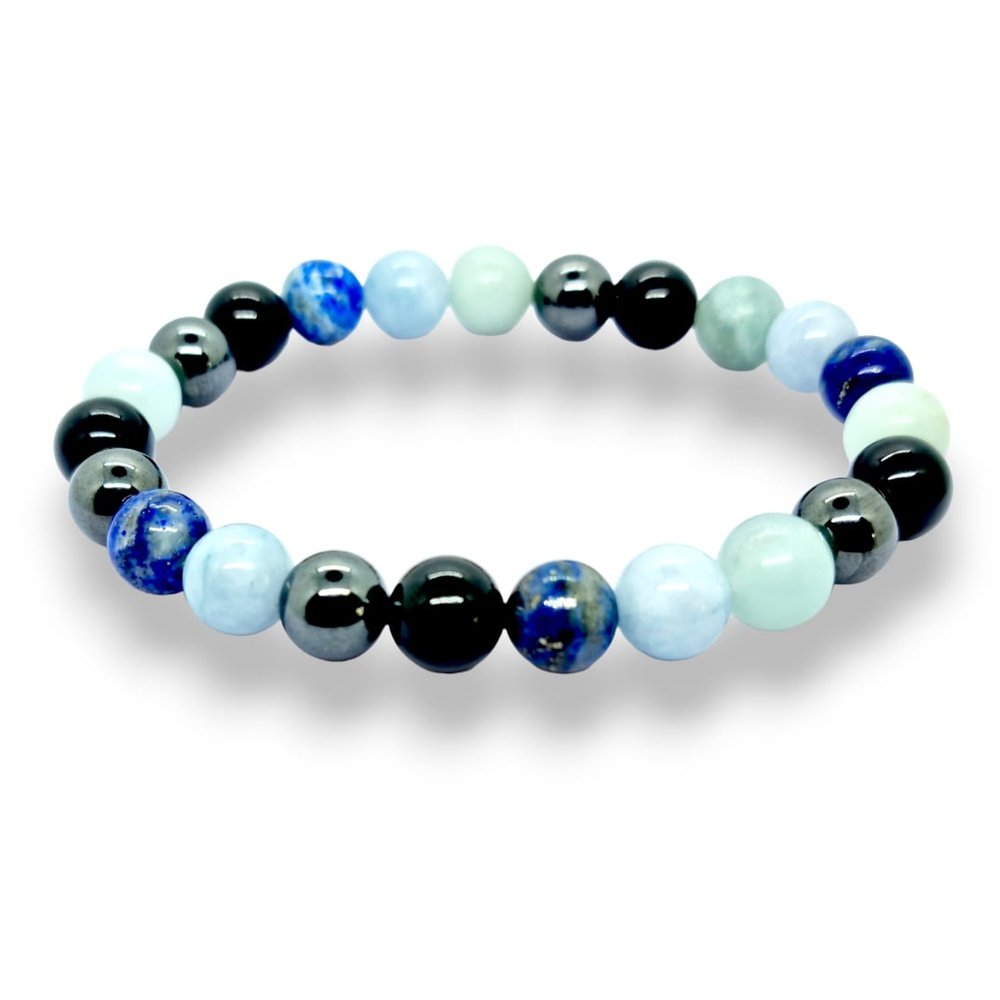
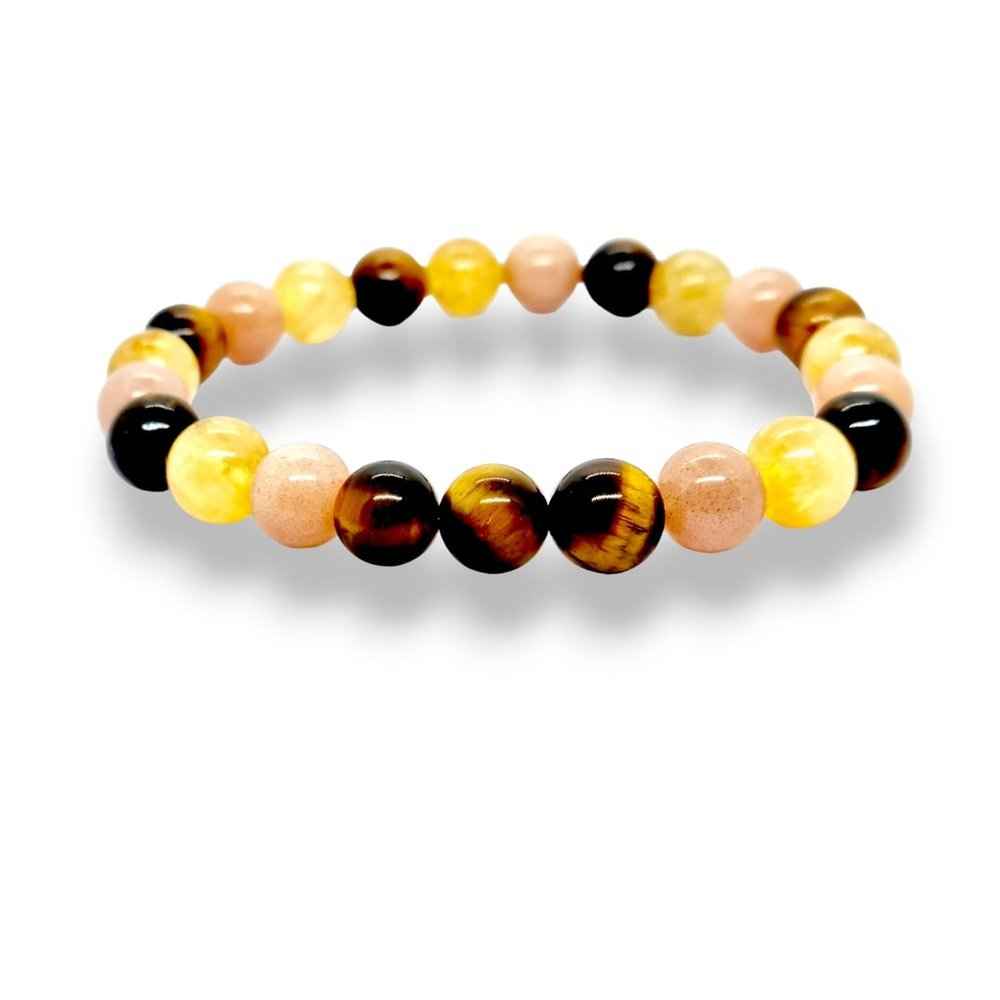
Wearing Pixiu as jewellery is a popular modern approach, especially as bracelets, necklaces, and rings. If you want the practical wearing conventions and care guidance in one place, use our dedicated guide: Pixiu Bracelet Tips.


For readers who prefer a simple baseline routine, these conventions are commonly used:

  • Choose a comfortable wrist and fit so the charm does not rotate constantly or snag.
  • Remove jewellery for showering, swimming, and cleaning to protect finishes, cords, and porous materials.
  • Store it clean and dry away from perfumes, lotions, and household chemicals.


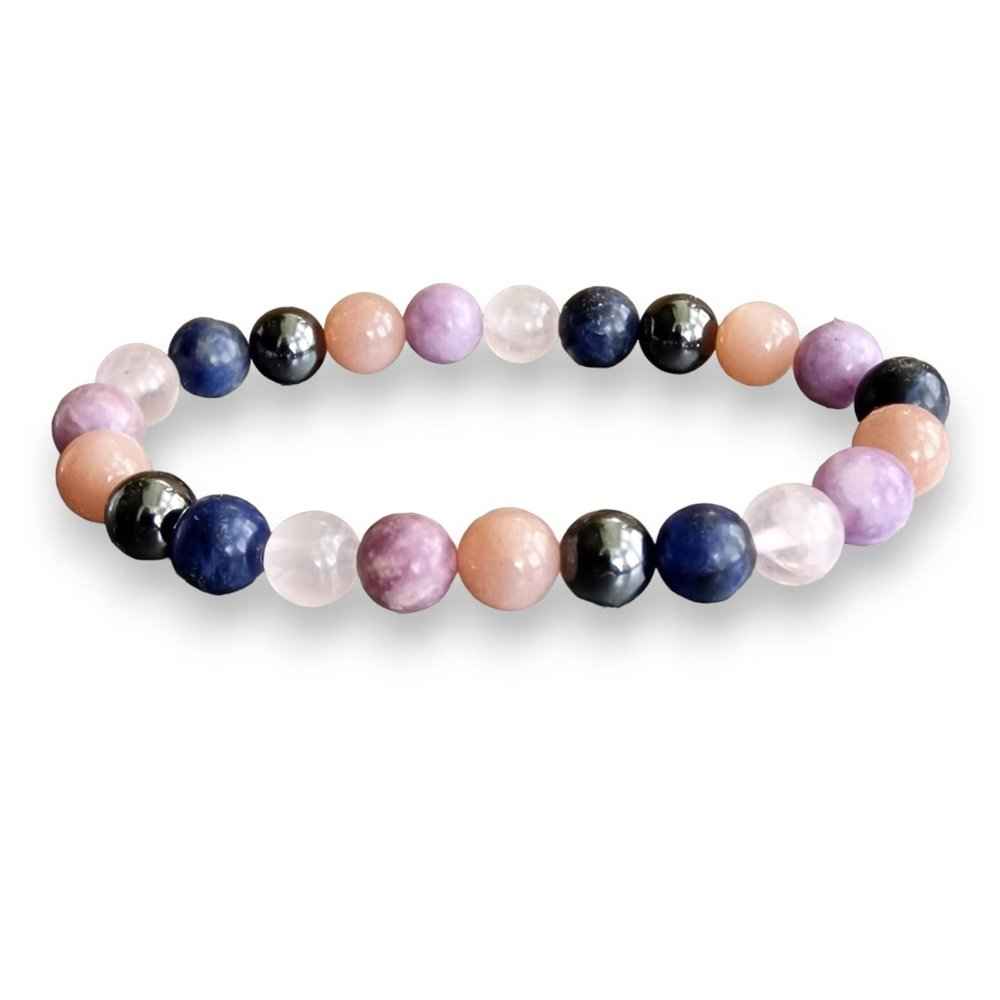
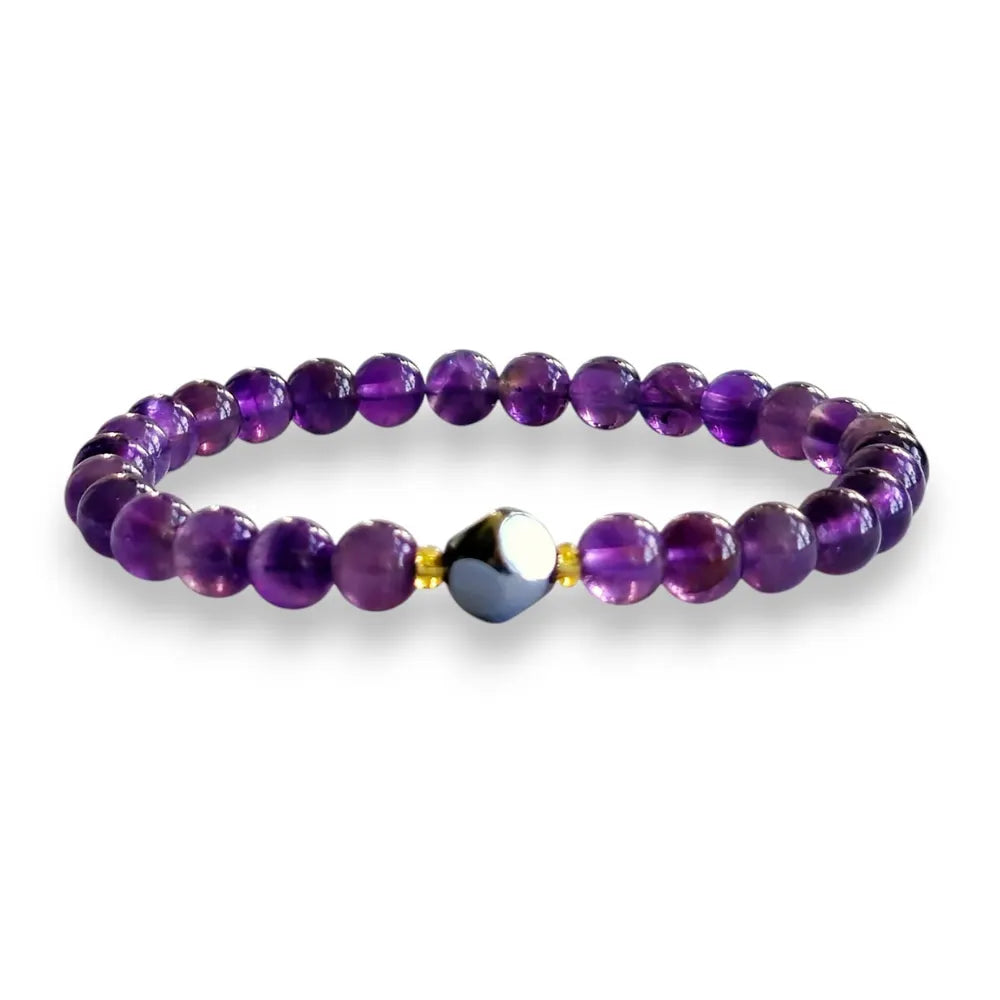
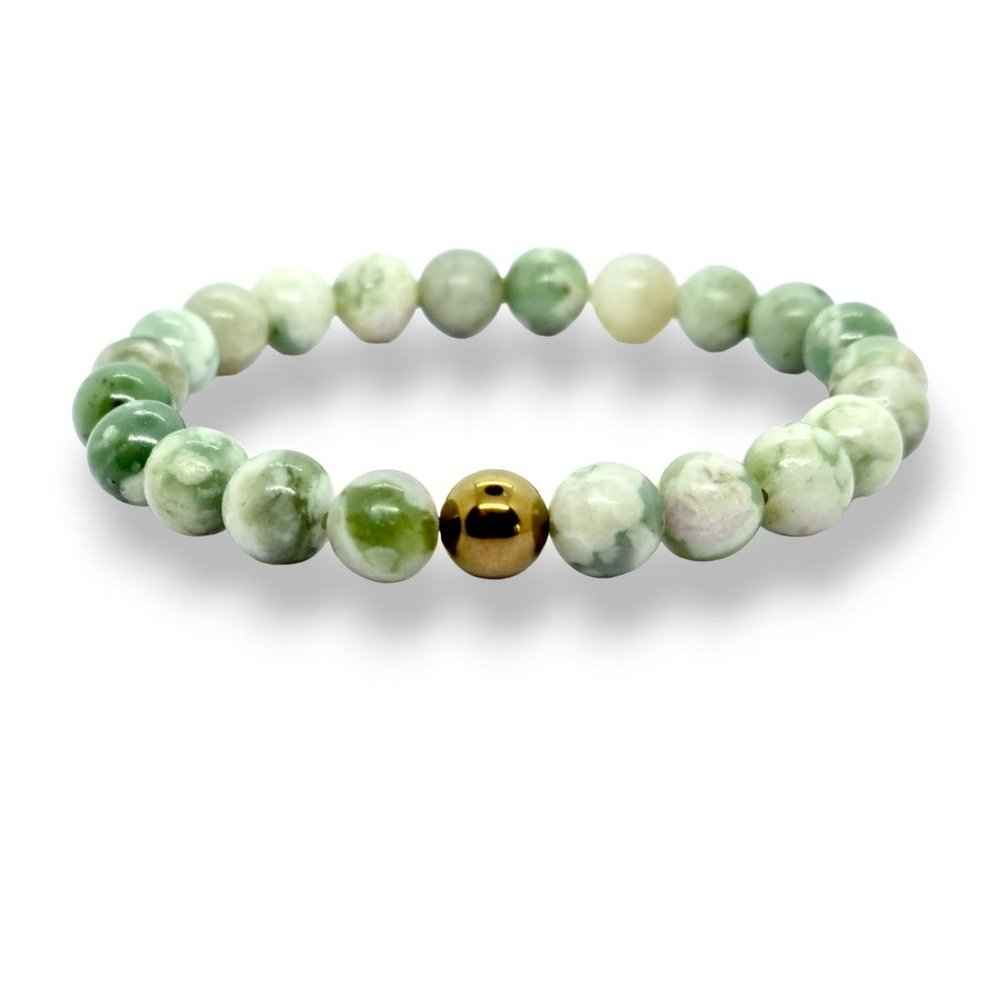
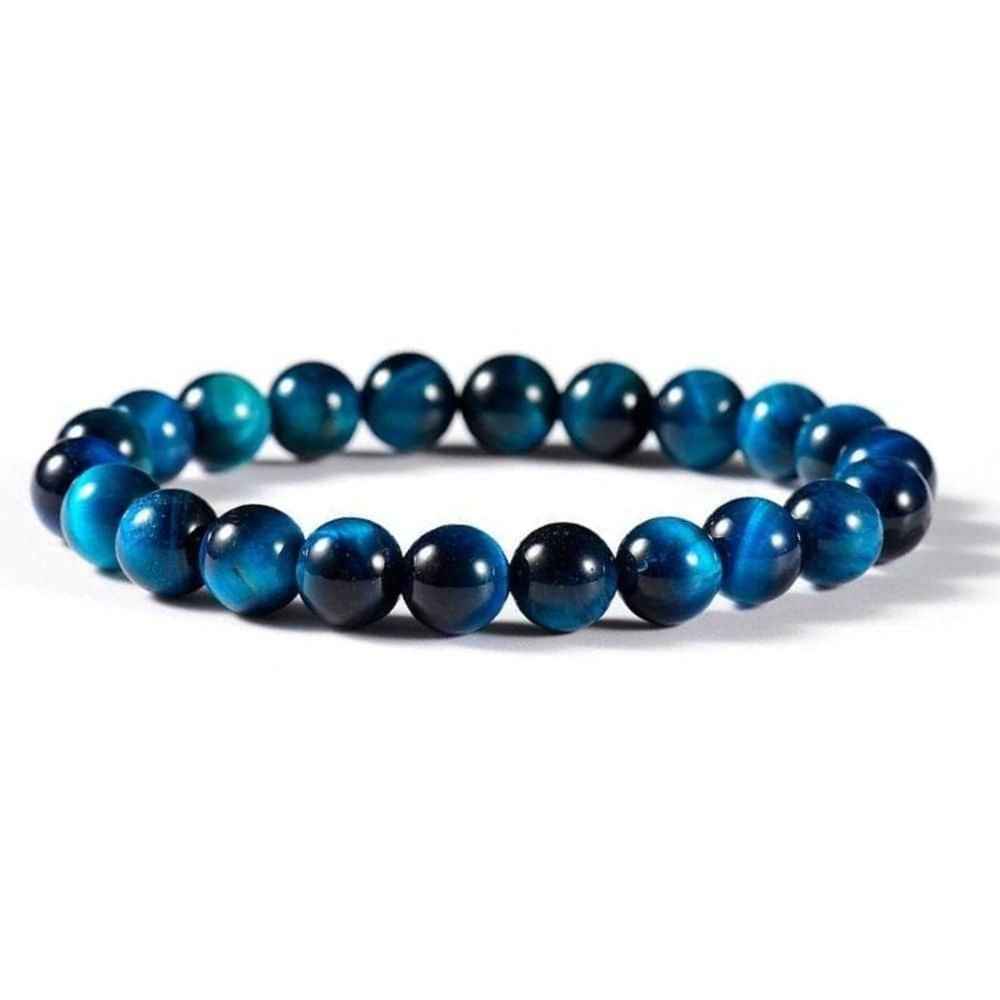
Shop Pixiu crystal jewellery

Explore our curated Pixiu range here: Pixiu Crystal Jewellery collection.


Free care resources

If your Pixiu jewellery includes crystal beads, care is mostly about protecting polish and construction. Use these free printables as practical references:


FAQ

Is Pixiu the same as Pi Yao

In many modern Feng Shui and jewellery contexts, Pi Yao is used as a common name for Pixiu. Some traditions distinguish variants such as Tian Lu and Bi Xie, but product naming is not always consistent.

What does Pixiu symbolise

In many traditions Pixiu is associated with prosperity symbolism, safeguarding symbolism, and disciplined intention setting in personal rituals. Interpretations vary by community and school of practice.

Where should I place a Pixiu figure

Common advice is to place it in a clean, respected area, often facing outward toward a door or window, and below head height. Avoid bathrooms, toilets, and mirrors facing the figure in many traditional guidelines.

Can I wear Pixiu as jewellery

Yes, Pixiu jewellery is widely worn. For practical wearing and care conventions, use Pixiu Bracelet Tips and follow material safe routines such as removing jewellery before water exposure and storing it clean and dry.

How do I care for Pixiu jewellery with crystals

Use gentle cleaning, avoid chemicals and soaking, and store it safely. For quick references, download the Crystal Care Guide (Free PDF) and the Water Safe Chart Printable PDF.


Conclusion

Everything You Must Know About Pixiu comes down to understanding Pixiu as a cultural symbol with long standing roles in folklore, household display traditions, and modern jewellery. Whether you choose a figurine or a bracelet, keep the approach consistent: respectful placement, practical care, and personal intention setting without expecting guaranteed outcomes. For wearing guidance, read Pixiu Bracelet Tips, and for product browsing explore the Pixiu Crystal Jewellery collection.


About the author

Cristian Maxim runs Crystals Healing UK, a UK-based shop specialising in handmade crystal jewellery and practical crystal care.

Read more about Cristian Maxim · Contact Crystals Healing UK

RELATED ARTICLES